Sleep on the Water, Wake Up Somewhere New: A Crewed Catamaran Run Through New Caledonia's Southern Lagoon
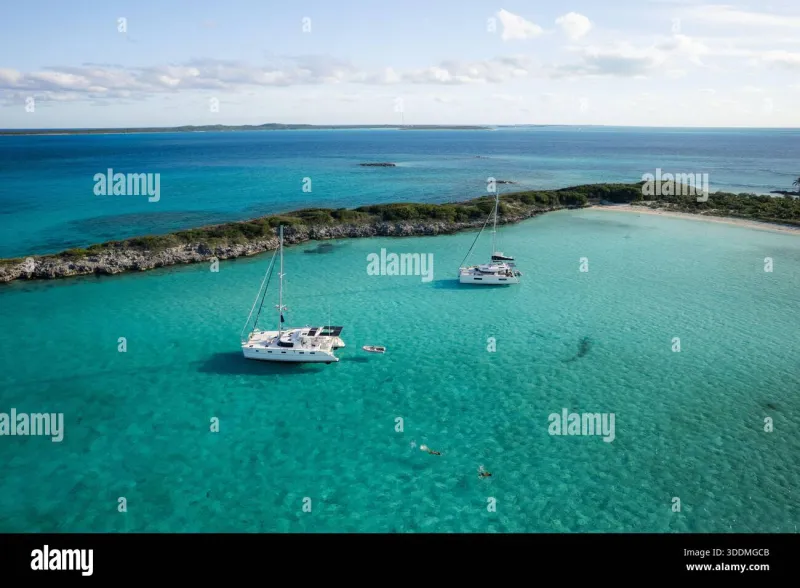
Photo: catamaran anchored turquoise lagoon South Pacific islet aerial view, via c8.alamy.com
There's a moment on the second morning of a lagoon catamaran charter that converts even the most committed land-lubber. You wake up in a cabin that hasn't moved all night, climb into the cockpit with a mug of coffee, and realize the pine-fringed islet you anchored beside wasn't there when you fell asleep. Neither was the reef flat, glowing turquoise in the early light, about thirty feet off the swim platform. The boat did the traveling while you did the sleeping. That's the whole pitch, really.
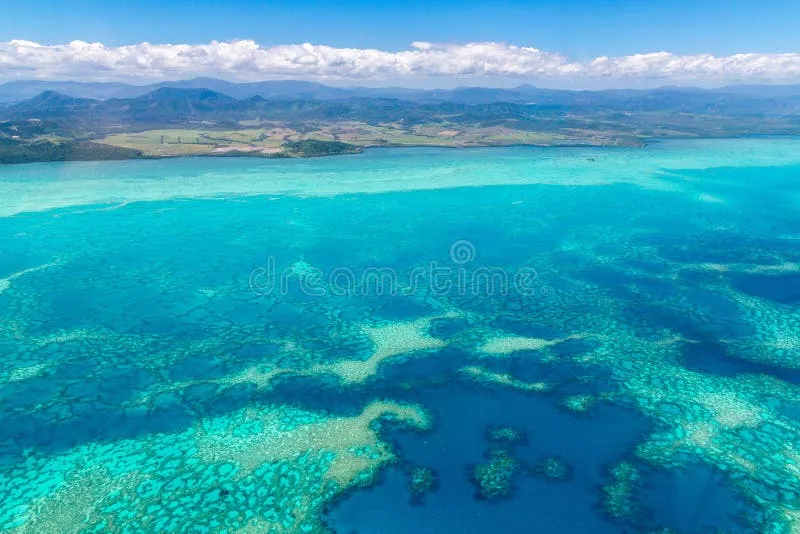
New Caledonia's Great Southern Lagoon — the UNESCO-listed expanse of protected water that wraps around the southern half of Grande Terre — is one of the largest lagoons on Earth, and most visitors only ever see the slices accessible by road or day boat. A charter catamaran changes the math entirely. You're not commuting to the reef. You're living on it.
What You're Actually Booking
Charter options out of Nouméa generally fall into three buckets:
Crewed charter with skipper and cook. The all-inclusive version. A captain handles navigation and anchoring, a host/chef handles meals, and your job is to swim, nap, and eat too much poisson cru. Depending on the boat and season, expect roughly €900–€1,500 per person per day on a well-maintained 45–50-foot cat, or about $2,000–$3,300 USD per couple per day all-in with food and drinks.
Skippered charter (skipper only, you self-cater). You get a licensed captain; provisioning is on you. This typically runs €550–€800 per day plus groceries, which lands around $1,200–$1,700 USD per couple per day once you factor in food.
Bareboat (you're the captain). Only realistic if someone in your party has legitimate, documented sailing experience and certifications. Gorgeous idea, stressful vacation for everyone else. Skip it unless you genuinely sail.
Here's the comparison that surprises people: a mid-range beachfront resort on Grande Terre or the Isle of Pines runs $250–$450 USD per night for a double, plus every meal out, plus $100–$200 per day in boat transfers and excursions to actually reach the good water. A four-couple crewed charter split four ways often comes out at or below the resort-per-couple cost — and the resort can't reposition itself to a deserted islet for sunset.
A Sample 7-Day Route
Most charters follow variations on this loop, adjusted for wind and the lagoon's rotation schedule (certain mooring zones rotate between operators to spread out impact — your skipper knows the calendar):
- Day 1 — Depart Nouméa, sail south to Ilot Signal or Ilot Maître. Shallow, swimmable, an easy first night with a sunset that makes everyone shut up mid-sentence.
- Day 2 — Long reach down the coast toward Bay de Prony. A fjord-like drowned valley at the lagoon's edge, with a hot spring waterfall at the head of the bay if you time the tide right.
- Day 3 — Ilot Casy and the Prony needle formations. Snorkeling off the boat, kayaking through mangroves.
- Days 4–5 — The Isle of Pines. The showstopper. Anchor in Kuto or Kanumera Bay, dinghy ashore, and walk to Piscine Naturelle or the natural pools. Two nights here minimum.
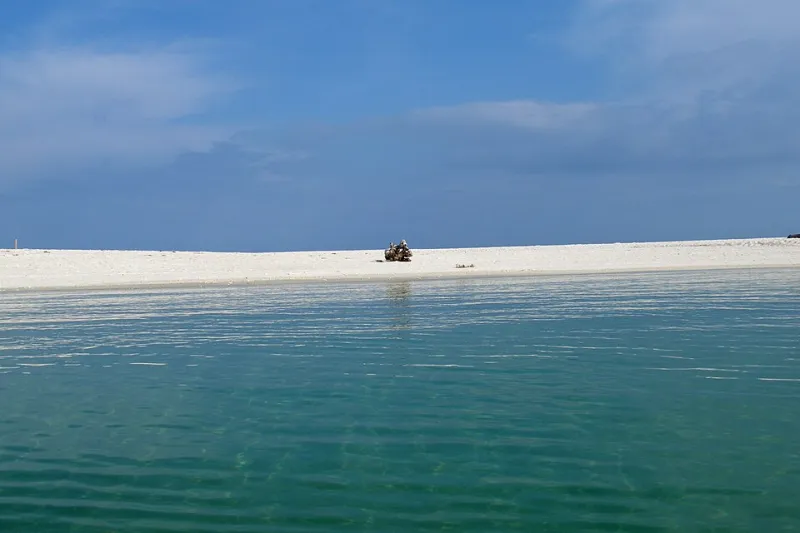
- Day 6 — Ilot Brosse or Ilot Moro on the return leg. A true castaway beach day. Nothing ashore but sand, pines, and whatever your crew packed for lunch.
- Day 7 — Back to Nouméa by late afternoon, ideally with a final swim stop at Ilot Larégnère.
A tighter 5-day version usually skips Prony and runs Nouméa–Isle of Pines–islets–home. Doable, but if you can swing the extra two days, the southern bays are the part most tourists never see.
What Americans Should Know Before Booking
Provisioning. New Caledonia imports a lot of its food, so groceries run French-colonial prices — think Honolulu, not Houston. If you're on a skipper-only charter, order a provisioning service through the charter company before arrival; they'll stock the boat so you can walk aboard and start. On crewed charters, meals are included and genuinely good — expect French technique with local seafood.
Tipping. Unlike the US, tipping isn't customary or expected in New Caledonia, and that extends to charter crews. If a skipper and cook have genuinely made your week, a discretionary gratuity of roughly 5–10% of the charter fee is appreciated but never demanded. Don't feel obligated to do the American 20% math in your head — nobody's standing there expecting it.
Booking from the US without an agent. You don't need a travel advisor for this. Most Nouméa-based charter operators list availability on their own sites and respond quickly to email in English (tourism is heavily francophone, but the industry handles American inquiries routinely). Search for charter brokers based in Nouméa or use international bareboat/crewed platforms that list New Caledonia as a destination, then email the operator directly to confirm. Pay the deposit by credit card, expect the balance due 30–60 days out, and confirm whether the quote is in euros or Pacific francs — the conversion matters. Also check the cancellation terms carefully; charter deposits are typically less flexible than hotel bookings.
Getting there. There are no direct flights from the continental US. You'll connect through Auckland, Brisbane, or Sydney on Air Calin or a partner carrier — figure a full travel day each way from the West Coast, and plan to overnight in Nouméa before boarding rather than racing from the airport to the dock.
Who This Is For (and Who It Isn't)
A lagoon charter suits groups of four to eight — two or three couples, or a extended-family trip where the kids can swim off the transom all day. It's less ideal for solo travelers (the per-person math gets ugly) or anyone who needs nightlife within walking distance. Seasickness-prone? You'll barely notice; you're sailing inside a lagoon, not across open ocean, and nights are spent at anchor.
But if your ideal vacation involves trading hotel check-ins for a different patch of reef every morning — with a captain who knows where the turtles hang out — this is about as good as the South Pacific gets. The lagoon's been here for millions of years. Sleeping on it for a week is the newest way to appreciate that.