Nobody's Here: Why May and September Are the Smartest Months for New Caledonia's South
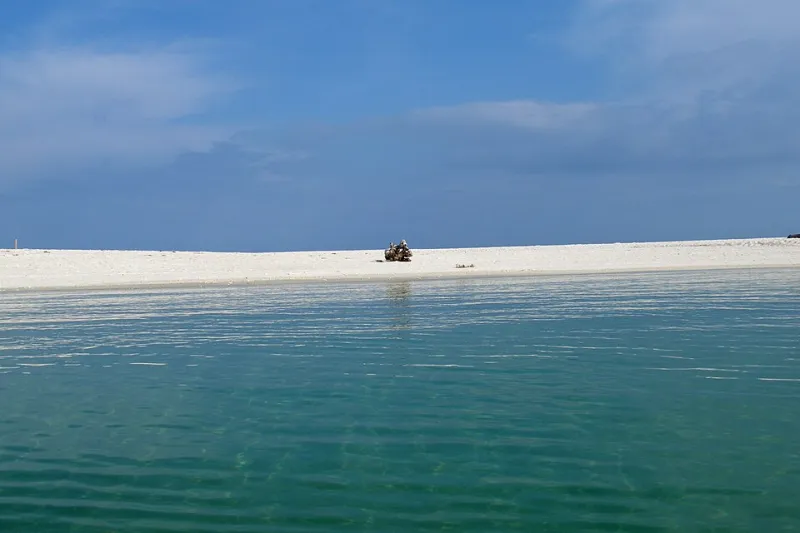
Photo: Vyacheslav Argenberg, CC BY 4.0, via Wikimedia Commons
Ask around in Nouméa's cafés during July and you'd never guess this place has an off-season. Cruise ships stack up at the pier, the beach at Anse Vata hums until dark, and every outrigger on the water seems to have a GoPro attached. Come back in late May, though, and something shifts. The water is the same impossible shade of blue. The croissants are just as buttery. But you can actually hear the waves.
That's the shoulder season — roughly April through early June, and again in September and October — and for travelers coming from the US, it might be the smartest window to visit New Caledonia's southern lagoons and shores.
First, Let's Talk Weather (Because Everyone Does)
New Caledonia sits in the South Pacific's subtropical zone, which means it doesn't swing between scorching and freezing — it swings between warm-and-wet and warm-and-dry. The wetter stretch runs December through March, coinciding with cyclone risk and the muggiest humidity of the year. The dry season, June through August, is peak postcard weather: sunny, breezy, low-to-mid 70s Fahrenheit.
The shoulder months flank that peak. May hovers in the mid-70s with water temperatures still holding their summer warmth — you'll want a rash guard for long snorkel sessions, not a wetsuit. September and October warm back up into the high 70s and low 80s, and the sea is at its clearest after months of lighter wind. Trade winds, which can kick up whitecaps across the southern lagoon in July and August, tend to be gentler at the edges of the season.
Translation for the boat-obsessed: flatter water, better visibility, and glassier mornings for photography. The UNESCO-listed lagoon doesn't perform better in any month than it does on a still May morning.
What's Actually Open
The number one question American travelers ask about shoulder season is whether they'll show up to shuttered restaurants and closed tour offices. The answer, mostly, is no — with a little planning.
Nouméa runs year-round. It's a working capital city, not a resort town that empties out. Hotels in the south, including the beach strips along Anse Vata and Baie des Citrons, operate all twelve months.
Out on the water, the picture is slightly more seasonal. Day-trip operators to the Isle of Pines and the southern islets run most of the year but consolidate schedules in quieter months — meaning fewer departure times, so book ahead rather than assuming you can wander onto a morning cruise. Lagoon catamaran trips, glass-bottom boat tours, and snorkeling excursions to Duck Island and the bays around the Southern Province generally continue through May and September; a quick email a week or two before you land sorts out which days each operator sails.
The Isle of Pines itself never really closes. Guesthouses and small hotels stay open, though a few family-run spots take their own holidays in the quietest weeks. If a specific boutique pension is on your must-stay list, confirm dates before booking flights.
Why Fewer People Makes Everything Better
Here's the part the brochures won't spell out: the south's most famous experiences are simply more enjoyable without a crowd.
The natural swimming pools. Piscine Naturelle on the Isle of Pines is glorious at any hour, but in high season it can feel like a shared pool. In May? You might have a stretch of it to yourself before ten in the morning.
The lagoon cruises. With fewer passengers per boat, crew members have time to actually talk — about the reef, the Kanak history of the islets, where the turtles hang out. In peak season you're one of forty snorkelers; in shoulder season you're a guest.
The coastal walks. Trails around the Southern Province, from coastal headlands to the forest paths of Blue River Provincial Park, are cooler at the edges of the dry season and noticeably quieter. Birdsong beats tour-group chatter.
The beaches themselves. Grande Terre's southern secret coves — the ones we keep half-secret on this site — stay genuinely secret when the flights are lighter.
The Money Part
US travelers will feel this one. Airfare to Nouméa, typically routed through Brisbane, Auckland, or Tokyo, dips outside the June–August and December holiday crush. Hotel rates soften too, particularly midweek. Tour operators, hungry in the quiet months, are more open to negotiating private charters or multi-day packages — a catamaran day that's fixed-price in July might have wiggle room in May.
One caveat: the Australian and New Zealand school holidays send a wave of regional travelers across the Tasman in late June–July and again in late September–October. If you want maximum quiet, aim for May, early June, or mid-September.
A Sample Shoulder-Season Week
- Days 1–2: Nouméa — markets, the bays, and a sunset drink at Baie des Citrons while the light goes gold.
- Day 3: Lagoon catamaran cruise with snorkeling stops on the inner reef.
- Days 4–6: Fly to the Isle of Pines. Morning swims at Piscine Naturelle, an afternoon pirogue paddle, and dinner at a Kanak-run table d'hôte.
- Day 7: Back south — Blue River Provincial Park for the turtles, swimming holes, and that vintage ore train.
The Bottom Line
Peak season in New Caledonia's south is beautiful because the place is beautiful — not because of the calendar. The lagoon, the pines, the reefs, and the villages are all there in May and September, waiting with fewer people between you and them.
Go when the crowds don't. The water will still be that color.