Wobbling Into Tradition: My First Morning Learning to Paddle an Outrigger Pirogue on New Caledonia's Southern Lagoon
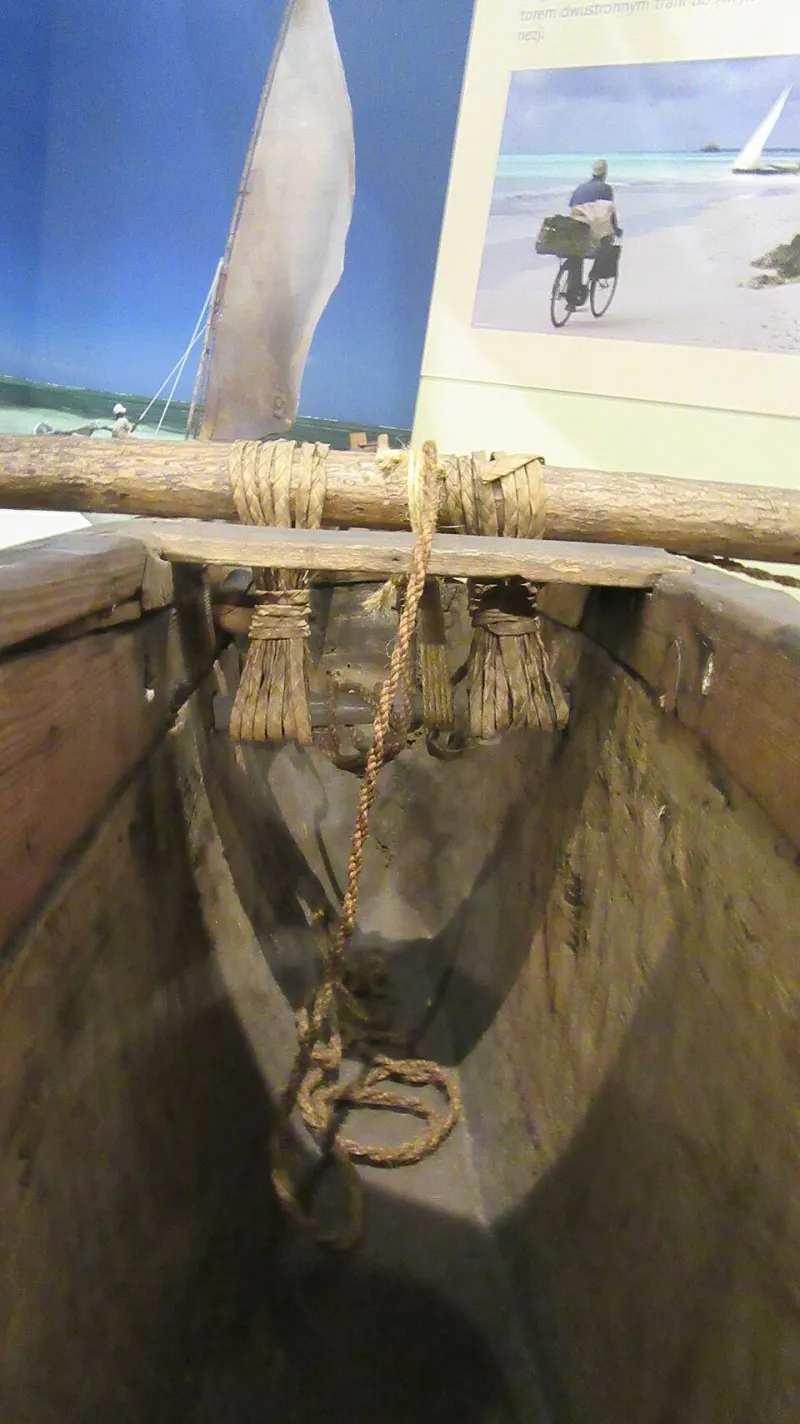
Photo: Ciacho5, CC BY-SA 4.0, via Wikimedia Commons
The wobble is the first thing nobody warns you about. Not the paddling, not the balance in theory — the wobble. A traditional Kanak pirogue is a dugout outrigger canoe, which means it rides the water on two points: the hull beneath you and a float arm connected by wooden spars. Between those two points lives a constantly shifting middle ground, and for the first ten minutes of my morning on New Caledonia's southern lagoon, I lived there, gracelessly, while my guide Moiwa laughed from the stern.
"Don't fight it," he said. "The canoe knows the water better than you do."
He was right, eventually.
Why the Pirogue Still Matters Here
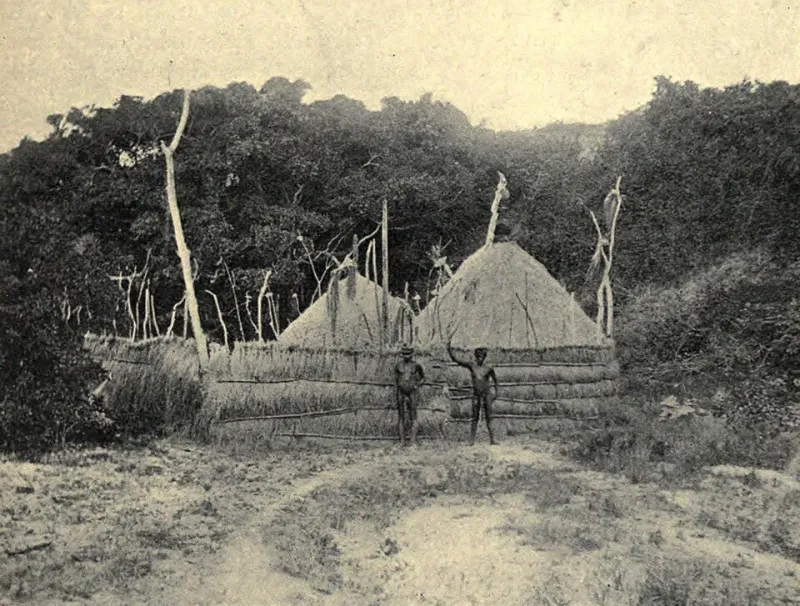
Long before French colonists arrived, before Nouméa had a name Europeans could pronounce, the Kanak people of Grande Terre's south were reading this lagoon from dugout canoes. The outrigger design — a slim hull carved from a single trunk, counterweighted by a float — isn't a museum piece. It's a living tool, still used for fishing, for traveling between villages, and increasingly, for teaching visitors like me what this UNESCO-protected lagoon feels like at paddle level.
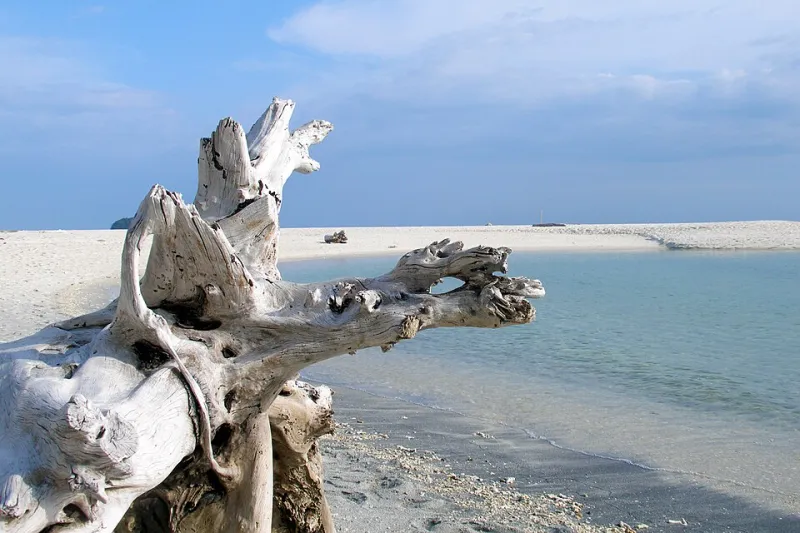
The southern lagoon is enormous — part of a marine zone so significant it earned UNESCO World Heritage status in 2008 — and seeing it from a pirogue is categorically different from a motorized tour. You're low. You're slow. You hear the reef before you see it. When a green sea turtle surfaces thirty feet away, nobody's engine drowns out the exhale.
The Lesson Itself: What to Expect
Most pirogue experiences around the south run three to four hours and start on a sheltered stretch of water — think the bays near the Isle of Pines or the calmer edges of the Grande Terre coastline. My morning looked like this:
Hour one: Land drill. Moiwa walked me through the paddle stroke (long, quiet, close to the hull — no splashing, ever), how to shift my weight when the wind pushes, and the golden rule: keep your eyes on the horizon, not your feet.
Hour two: Actual paddling, in actual open water. This is where the wobble lives. It took me — a reasonably fit 34-year-old who does the occasional yoga class — about twenty minutes to stop overcorrecting. Once I relaxed my shoulders and let the outrigger do its job, the canoe smoothed out like it had made a decision without consulting me.
Hour three: The reward. We crossed to a shallow coral garden, tied off the pirogues, and snorkeled over staghorn formations while Moiwa pointed out which fish his grandfather fished for and which were tapu — off-limits — in the old system of seasonal reef management.
That's the part that stuck with me. The pirogue lesson isn't really a paddling lesson. It's a slow, floating seminar on how a community has managed a reef for centuries.
Am I Fit Enough for This?
Short answer: probably. Longer answer: it depends on your shoulders, not your cardio.
You don't need to be an athlete. You need enough upper-body stamina to paddle steadily for 20–30 minute stretches, and decent balance — think paddleboard-level, not gymnast-level. If you can do a casual kayak tour, you can do this. Operators I spoke with regularly host travelers in their 60s and kids as young as eight. If you have serious shoulder or back issues, mention it when booking; many guides can route you through calmer water or shorten the crossing.
Booking, Budget, and Logistics
A few practical notes for planning from the US:
- How to book: Ask at your hotel or the tourism office in Nouméa, or book through community-based tourism operators in the southern villages. Going directly through a village cooperative means your money supports the community that's hosting you — worth prioritizing.
- Cost: Expect roughly 6,000–9,500 CFP francs (about $55–$90 USD) for a half-day guided experience, often including snorkel gear and sometimes lunch.
- When to go: The southern winter (May through September) brings calmer seas, lower humidity, and fewer crowds. Mornings are best — the trade winds pick up after lunch and turn the lagoon choppy.
- Getting there: Most southern lagoon departures are 1.5–2.5 hours from Nouméa by rental car or shuttle. Build in buffer time; the roads are scenic and you'll want to stop.
What to Bring (and What to Leave Behind)
Pack lighter than you think. The essentials: reef-safe sunscreen (non-negotiable — regular sunscreen harms the coral you're paddling over), a wide-brimmed hat with a strap, sunglasses, a rash guard or quick-dry shirt, water shoes, and a dry bag for your phone. Bring more water than seems reasonable; the Pacific sun reflects off the lagoon and sneaks up on you.
Leave behind the drone, the giant camera rig, and your schedule. A pirogue moves at the lagoon's pace, and the guides set the rhythm.
A Note on Etiquette
Before launching, many guides begin with a brief customary exchange — a word of welcome, sometimes a small ritual acknowledging the sea and the ancestors who navigated it. You don't need to know the protocol. You need to be present, listen, and follow your guide's lead. It takes two minutes and reframes the whole day: you're not renting equipment, you're being taught something that was taught to someone's grandmother.
The Verdict from a Wobbly Beginner
By the time we paddled back, I'd stopped thinking about balance entirely. My stroke had found a groove, the outrigger hummed along, and the lagoon had gone from a pretty backdrop to something closer to a place with rules, history, and a rhythm I'd only brushed against.
You can see the southern lagoon from a boat, a plane, or a beach towel. But you understand it from a pirogue — one quiet, wobbling stroke at a time.