The Lagoon Takes Turns: How New Caledonia's Rotation System Rewards Patient Travelers
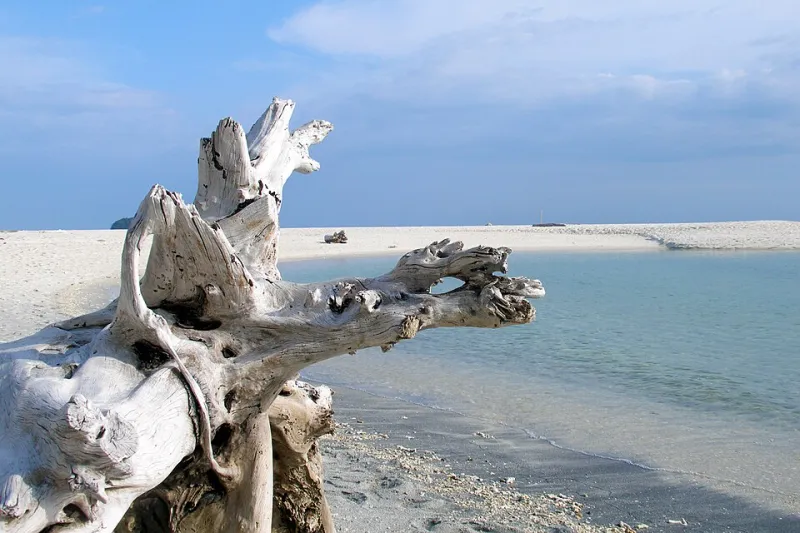
Photo: Vyacheslav Argenberg, CC BY 4.0, via Wikimedia Commons
Picture the most beautiful stretch of water you've ever seen — a lagoon so vast it would swallow Chesapeake Bay whole, ringed by a 1,500-square-mile coral reef visible from space. Now picture it empty. Not empty because nobody wants to be there, but empty because the lagoon itself is on a rotation.
That's the strange, wonderful truth about New Caledonia's south. This isn't a place where access is first-come, first-served. It's a place where the calendar decides.
The Lagoon Has House Rules
Most American travelers arrive assuming the ocean is a free-for-all. In New Caledonia, it isn't. Roughly three-quarters of the lagoon sits inside marine protected areas, and the rules aren't uniform — they're a patchwork of zones, each with its own logic.
Some areas are fully off-limits to fishing and anchoring. Others allow traditional Kanak fishing practices that have sustained villages along the coast for centuries, while excluding recreational anglers entirely. Certain bays close to boats during specific months. Snorkel sites near the southern reef sometimes get quiet periods to let coral recover from heavy visitation.
The result is a lagoon that functions less like a theme park and more like a shared family kitchen. Everyone gets a turn.
Turtles Keep Their Own Calendar
Here's a detail most itineraries skip: the beaches you might picnic on in June are turtle nurseries by February.
Green turtles and hawksbills nest on the southern islets during the austral summer, roughly November through March, with hatchlings emerging in the months after. During peak nesting and hatching windows, access to certain beaches and islets tightens up. Some landing spots close entirely; others allow visits only with local guides who know which sandbars to avoid.
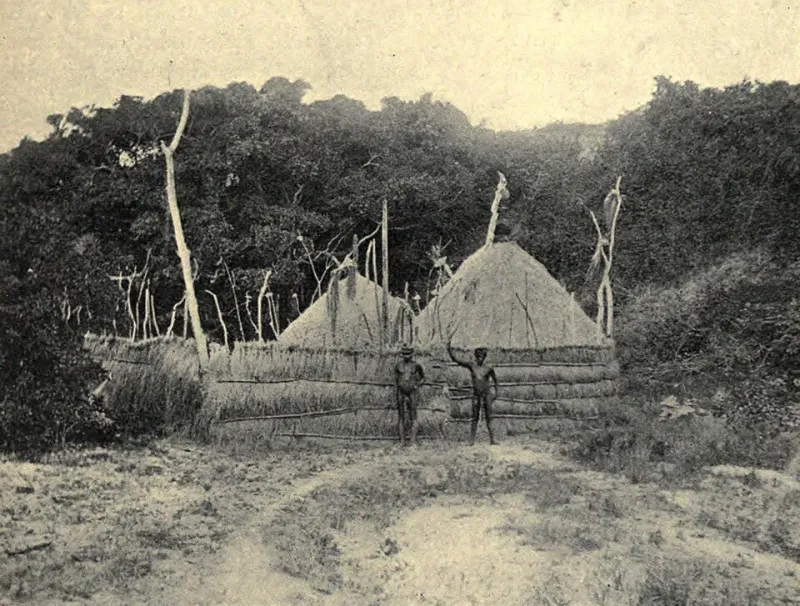
This isn't red tape for the sake of it. New Caledonia's conservation model leans heavily on community stewardship, and the same villages that manage customary fishing grounds also keep watch over nesting sites. When a beach is closed, it's usually because a Kanak community decided it should be — and that decision carries real weight.
Reading the Shoulder-Season Playbook
So when should a US traveler actually go? The sweet spot, counterintuitively, is the edge of the seasons.
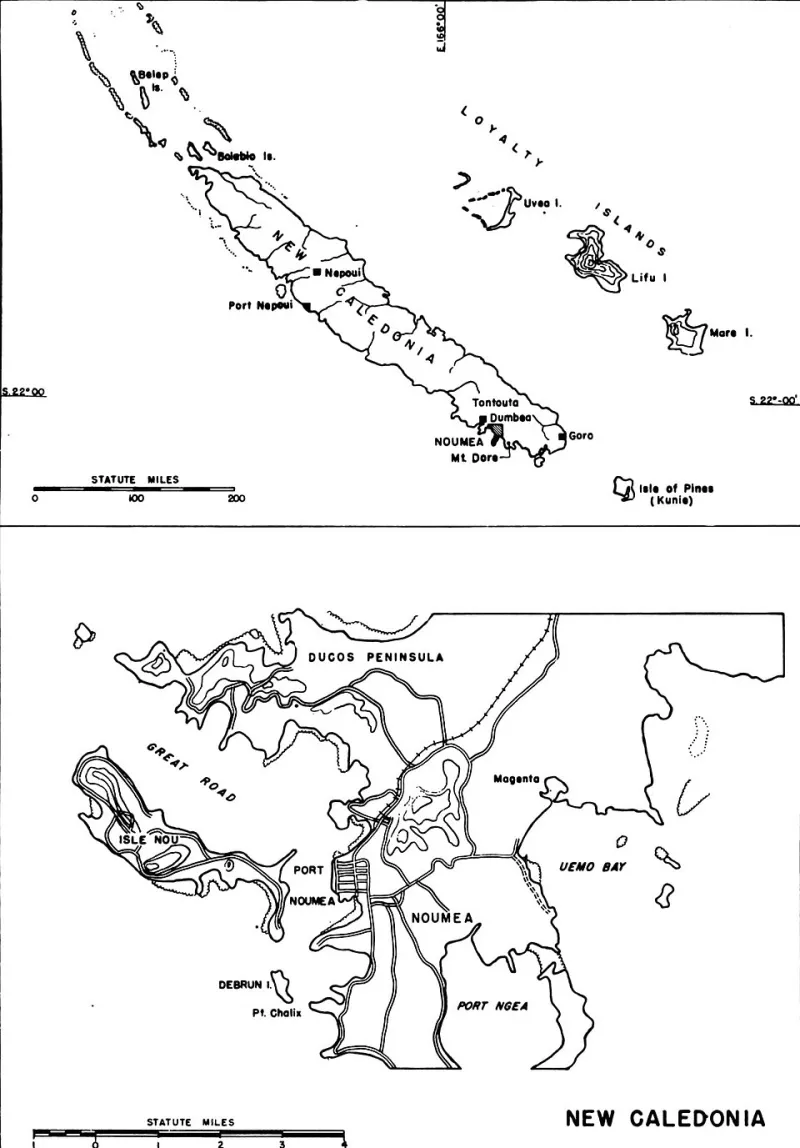
April to May is the insider's window. The wet season has wrapped up, the water still holds its summer warmth, and the crowds that peak during the December–January southern-hemisphere school holidays are long gone. Anchorages in the Isle of Pines' famous bays go from busy to blissfully sparse. Charter operators drop their high-season rates.
Late September through October works similarly. The trade winds soften, visibility for snorkeling is often at its best, and turtle season hasn't kicked off yet, so beach access is wide open.
Travel during these weeks and you'll find yourself anchored off a pine-fringed islet with nothing but the sound of water slapping the hull. In any other Pacific destination — Fiji, Tahiti, Hawaii — that same scene would come with a dozen other boats. Here, the rotation system means the quiet weeks are genuinely quiet.
How to Check Before You Go
Unlike US national parks, there's no single website with a big calendar of closures. The system runs on relationships and local knowledge. A few practical moves:
- Book through a local operator. Nouméa-based charter and tour companies track zone rules and closure dates as a matter of course. A good operator won't sell you a trip they can't legally run.
- Ask at the provincial tourism offices. The South Province manages much of the southern lagoon and publishes marine zone maps — worth grabbing on arrival, even if the detail is mostly in French.
- Defer to the villages. If you're headed somewhere near a Kanak community, a greeting and a question at the right time goes further than any permit. The customary welcome (the geste personnalisé, or coutume) isn't just politeness — it's how you learn what's open, what's not, and what's happening on the water this month.
Why the Restrictions Are the Attraction
There's a temptation to see any limitation as a downside, especially coming from a culture built on open access. But spend a few days on this lagoon and the logic clicks into place.
The reef here is healthier than almost anywhere in the South Pacific. Fish populations that have collapsed elsewhere still thrive in the zones where fishing is customary-managed rather than open. The turtle beaches still see nesting seasons that would've vanished decades ago under a looser regime.
And for the traveler? The payoff is the thing money can't buy in more crowded destinations: solitude on a scale the Pacific rarely offers. Empty bays. Reefs you snorkel alone. Sunsets with no other boat in sight.
The lagoon takes turns. Show up in the right weeks, play by the calendar, and your turn comes with the whole place to yourself.