Nine Things American Travelers Wish They'd Known Before Landing in New Caledonia
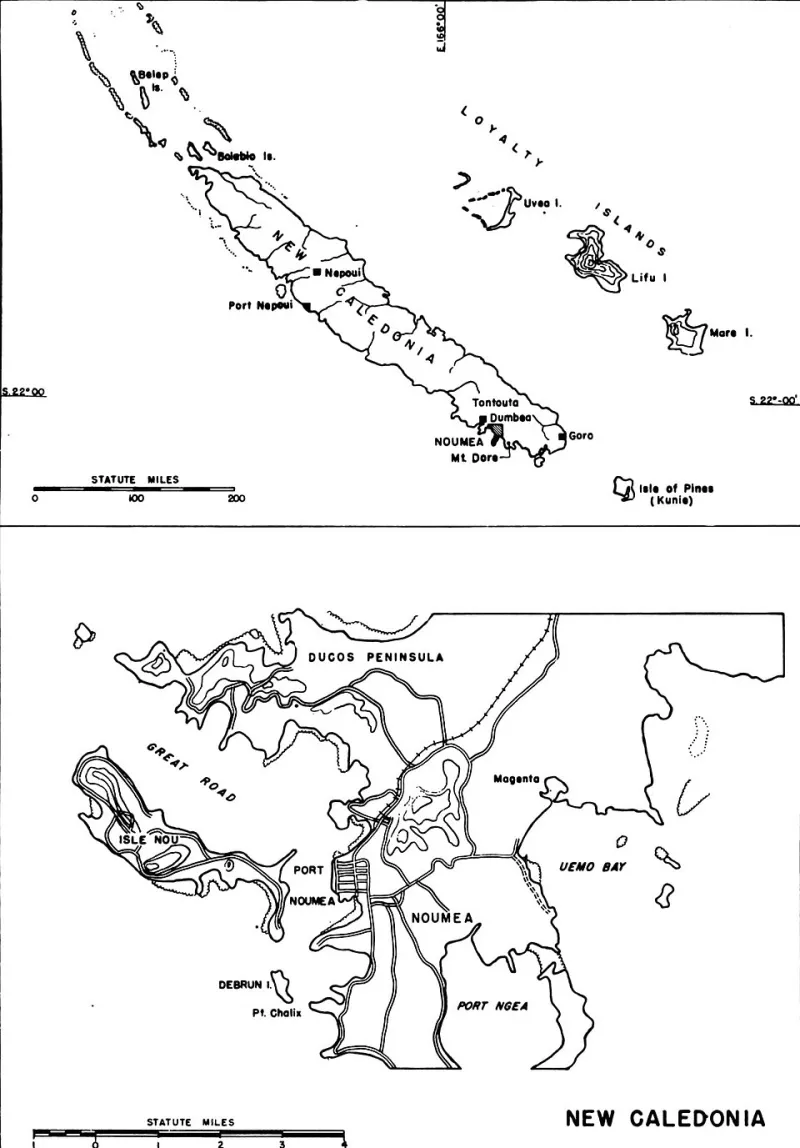
Photo: United States Bureau of Yards and Docks, Public domain, via Wikimedia Commons
New Caledonia sits closer to Australia than to anything American, but it feels like a slice of France dropped into the Coral Sea — and that blend trips up even seasoned US travelers. The good news: none of the common slip-ups are serious, and all of them are fixable with ten minutes of preparation. Consider this your pre-flight briefing.
Your Booking Site Probably Doesn't Know It Exists
Let's start with the big one. Flights to Nouméa (NOU) rarely show up on the major US booking aggregators. The most common route for Americans is Auckland, New Zealand, with a short hop to Nouméa — but you often have to book the legs separately, or fly via Brisbane or Sydney. Give yourself a comfortable overnight buffer in the connecting city. Skyscanner and Google Flights will find NOU if you search it directly; Expedia-style bundles often won't. Book the international leg to Auckland or Brisbane, then book Air Calin or Air New Zealand to Nouméa as its own ticket.
The Power Plugs Are French, Not American
New Caledonia uses the European two-pin plug (Type E) with 220-volt power. That phone charger you bought in California? It won't fit the wall, even if the voltage is fine. Almost all modern phone and laptop chargers handle 220V automatically — check the fine print — so all most travelers need is a simple Type E adapter. Buy two. They're cheap at home and mysteriously expensive at airport shops.
You'll Be Spending Francs, Not Dollars
The local currency is the CFP franc, also called the Pacific franc (XPF). It's pegged to the euro, not the dollar, and the rough math is about 100 francs to the US dollar. Two practical notes: get a small amount of cash on arrival for markets and small eateries, and don't panic when you see a 3,500-franc dinner — that's about $35. Cards are widely accepted in Nouméa, less so on the Isle of Pines and in the far south.
Reef-Safe Sunscreen Isn't Just a Suggestion
New Caledonia's lagoon is a UNESCO World Heritage site, and the reef ecosystem is the whole reason you're going. Chemical sunscreens containing oxybenzone and octinoxate harm coral, and an increasing number of tour operators and swimming areas expect reef-safe products. Do yourself a favor and buy a mineral-based sunscreen (zinc oxide or titanium dioxide) before you leave — selection in Nouméa is limited and prices run high.
Travel Insurance Is Not Optional Here
This is the one people genuinely regret skipping. Much of the region's magic — the Isle of Pines, the southern islets, remote beach camps — sits hours from a major hospital, and medical evacuation by air is a real possibility in a serious situation. US health insurance typically covers little or nothing overseas. A solid travel medical policy with evacuation coverage costs roughly the price of one nice dinner in Nouméa and buys you real peace of mind.
A Few Smaller Things Worth Packing
- A light rain shell. The south trades sunshine for brief tropical downpours, especially December through March.
- Reef shoes. Much of the lagoon floor is coral and volcanic rock, not soft sand.
- Cash for the markets. The Nouméa morning market and island vendors are cash-first.
- A French phrase or two. Everyone in tourism speaks English, but a "bonjour" opens doors everywhere.
- An unlocked phone or eSIM plan. Local SIMs are inexpensive, and coverage across the main island is solid.
The Mindset Shift That Ties It All Together
New Caledonia runs on a gentler clock than the US. Shops close for long lunches, Sundays are quiet, and the ferry to the Isle of Pines leaves when it leaves. Build slack into your itinerary, bring the adapter, swap the dollars for francs, and let the place set the pace. That's not a travel mistake — that's the whole point.