Provence Meets the Pacific: A Food Lover's Route Through Nouméa and the Southern Coast
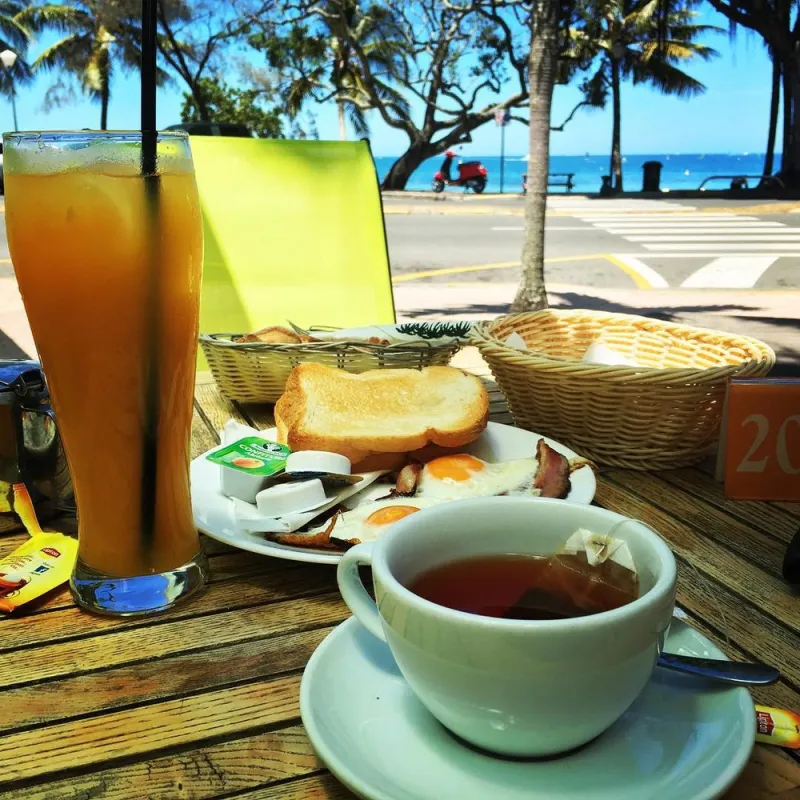
Photo: French bistro seaside table New Caledonia harbor croissant coffee, via api.travelfoodpeople.com
Somewhere between the second espresso and the third baguette of the day, it hits you: this is still the South Pacific. The water outside the café window is the color of a screensaver. Palm trees line the harbor. And yet your waiter just asked — in flawless French — whether you'd like your pain au chocolat warmed.
Welcome to New Caledonia's south, the only place on the planet where you can order a Provençal-style fish stew, then walk ten minutes to a Kanak market and try yam cooked in an earth oven. For American food travelers, it's the culinary equivalent of finding out your favorite beach town has a Michelin-starred boulangerie. Which, here, it basically does.
Start at the Harbor: Nouméa's Boulangerie Ritual
Every morning in Nouméa begins the same way for locals: a pilgrimage to the boulangerie. The city's harbor-side bakeries fire their ovens before dawn, and by 7 a.m. the smell of fresh baguettes drifts down to the waterfront.
Skip the hotel breakfast and do what the locals do. Grab a warm baguette, a tub of local butter, and — if you're feeling ambitious — a slice of tourte de la mer, a savory seafood pie you won't find anywhere in the continental US. Pair it with coffee grown right here in the territory. Yes, New Caledonia grows coffee, and the micro-roasteries around Nouméa take it seriously.
Pro tip: Bakeries sell out of the good stuff by mid-morning. Early birds get the croissants. This is not a drill.
Why Americans Keep Saying 'Provence Meets the Pacific'
The comparison isn't lazy — it's accurate. New Caledonia has been a French territory since the 1850s, and the influence runs deep. You'll find olive oil and herbes de Provence in the supermarkets, wine lists that would embarrass most US restaurants, and a café culture where lunch is genuinely sacred.
But here's what makes it different from, say, a trip to the south of France: the Kanak influence. Roughly 40% of the population is indigenous Kanak, and their food traditions — taro, yams, fresh coconut, seafood cooked in banana leaves — have woven themselves into the territory's culinary identity. The result is a fusion that doesn't really exist anywhere else.
Picture bougna, the traditional Kanak feast of meat, root vegetables, and coconut milk slow-cooked in an earth oven, served at a beachside restaurant with a glass of Côtes de Provence rosé. That's the south of New Caledonia in one plate.
The Bush Food Experience: Eating Kanak-Style
If you want to go beyond restaurant fare, book a bush-food tasting in or around the southern tribes. These experiences — often led by local guides — walk you through traditional ingredients: the yam varieties that anchor Kanak cuisine, wild greens, and the technique behind the bougna earth oven.
It's part history lesson, part cooking class, part meal, and it's one of the most memorable things you can do on the island. Unlike some 'cultural experiences' pitched at tourists, these tastings are genuine — you're often eating food prepared by the families who've been cooking this way for generations.
Ask your hotel or the tourism office in Nouméa about tribal visits in the south. Book ahead; spots are limited and that's part of the charm.
Markets Worth Planning Your Morning Around
- Nouméa's Port Moselle Market — Open early (seriously, 5:30 a.m.) and bustling by 7. Fresh produce, fish, flowers, and the best people-watching in the city. Grab a fresh coconut to drink while you browse.
- Weekend markets in the southern suburbs — Smaller, more local, and great for artisanal jams, vanilla, and crafts.
- Roadside stalls on the way south — Vendors sell everything from papayas to honey along the RT1. Bring small bills and practice your 'bonjour.'
Rum Tastings: The Unsung Highlight
Here's something most US travelers don't know: New Caledonia has a rum culture worth taking seriously. Local distilleries produce agricole-style rum from fresh cane juice — closer to a quality Martinique rhum than anything you'll find in a tiki bar.
Several distilleries and specialty shops around Nouméa and the south offer tastings. You'll sample white, amber, and aged varieties, often with a splash of local lime. It makes an excellent souvenir, assuming it survives the trip home (it usually doesn't).
Where to look:
- Distillery tours in the south of Grande Terre
- Wine and spirits shops in downtown Nouméa that stock local labels
- Beach bars that serve rum-based punches — the local 'punch coco' is dangerously good
A Practical Eating Itinerary
Day 1: Morning boulangerie run, lunch at a harbor-side bistro in Nouméa, dinner featuring fresh lagoon fish.
Day 2: Port Moselle Market at dawn, bush-food tasting in the afternoon, rum tasting to close out the day.
Day 3: Drive south, stop at roadside stalls, and finish with a bougna feast at a tribal restaurant near the coast.
The Bottom Line
You don't fly across the Pacific to eat well — but in New Caledonia's south, you will anyway. It's a place where French technique meets island ingredients meets Kanak tradition, and where every meal seems to come with a lagoon view. For American foodies tired of the same old tropical vacation menus, this is the detour worth taking.
Bring stretchy pants. And maybe an extra suitcase for the rum.