Before You Swim, You Say Hello: Visiting the Kanak Villages That Guard New Caledonia's Southern Lagoon
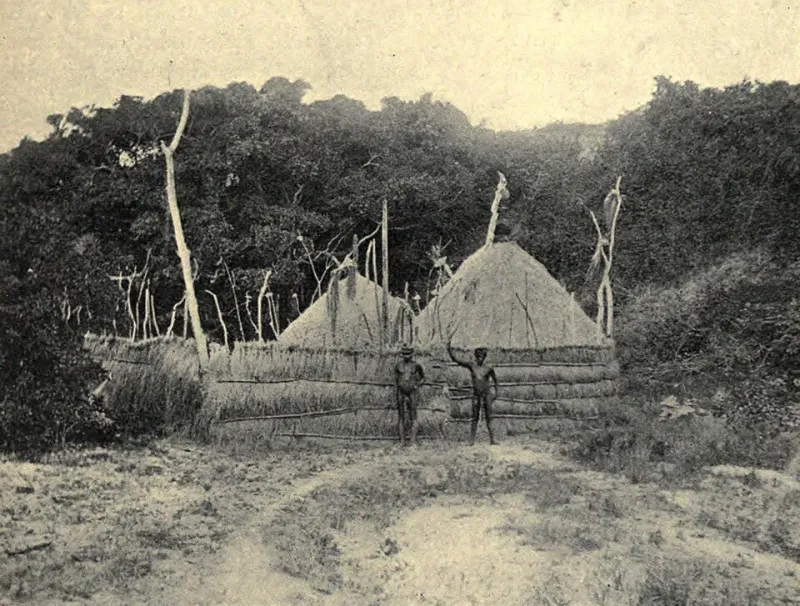
Photo: Clement Lindley Wragge, Public domain, via Wikimedia Commons
Most Americans land in New Caledonia with the same mental image: impossibly blue water, a reef on the horizon, maybe a cocktail with their name on it. All of that is waiting. But the southern lagoon — the part of Grande Terre that earned UNESCO World Heritage status — holds something you won't find at a swim-up bar: living Kanak villages whose families have fished, farmed, and cared for this coastline long before anyone drew a map of it.
If you're the kind of traveler who'd rather bring home a story than a fridge magnet, this is your guide.
Why the Lagoon and the Villages Belong Together
The southern lagoon isn't a park with rangers — it's a home. Kanak clans along the bays of Yaté and the Deep South have managed these reefs through customary marine rights for generations, and much of what makes the water here so healthy is the result of that stewardship. When you book a lagoon tour with a local operator, you're not just getting a ride to a snorkel spot. You're getting someone who knows which bay the fish return to, which reef got damaged in a cyclone, and which patch of coral is off-limits this season.
That's the difference between seeing the lagoon and understanding it.
The Customary Gesture: Your First Lesson in Local Etiquette
Here's something no resort brochure will tell you: in Kanak culture, you don't just show up. Visiting a village — or even passing through clan land to reach a swimming hole or beach — traditionally begins with the geste coutumier, or customary gesture.
In practice, this is simple and low-pressure. You present a small gift, typically a piece of cloth (the local currency of respect is a length of patterned fabric called a maniou), sometimes with a modest amount of cash, and you introduce yourself and say where you're from. The village chief or an elder receives it, and in return you get a welcome — often a warm one, sometimes with coffee and conversation that runs longer than planned.
A few pointers for Americans, whose instinct is usually to speed things along:
- Bring the gift with you. Small shops in Nouméa sell maniou fabric cheaply; buy two or three before heading south.
- Let the host set the pace. Silence isn't awkward here. Don't fill it.
- Ask before photographing anyone — people, homes, or anything that looks like it matters. Some spots are sacred.
- Learn one word: Bojou (hello). It goes further than you'd think.
If all this sounds intimidating, it isn't. Tour operators and local guides can arrange introductions for you, which takes the guesswork out and puts money directly into community hands.
What a Village-Based Lagoon Day Actually Looks Like
Forget the 200-person catamaran. A community-run day on the southern lagoon usually looks like this: a pirogue or small aluminum boat, a guide from the village, and a handful of travelers.
You might motor out to a reef pass where the water drops from bathwater turquoise to deep sapphire, snorkel over coral gardens your guide can name fish for by their Kanak names, then land on an islet for a lunch of grilled fish, coconut crab in season, and bougna — root vegetables and meat slow-cooked in an earth oven with coconut milk. It's the meal everyone remembers, partly because it tastes incredible and partly because you watched it come out of the ground.
Between swims, the best guides talk. About the clan histories tied to particular bays. About how the lagoon has changed in their lifetime. About why the pine trees on the ridgelines matter to stories older than the alphabet. You'll finish the day having swum in paradise and learned why paradise needed guardians.
Where This Happens in the South
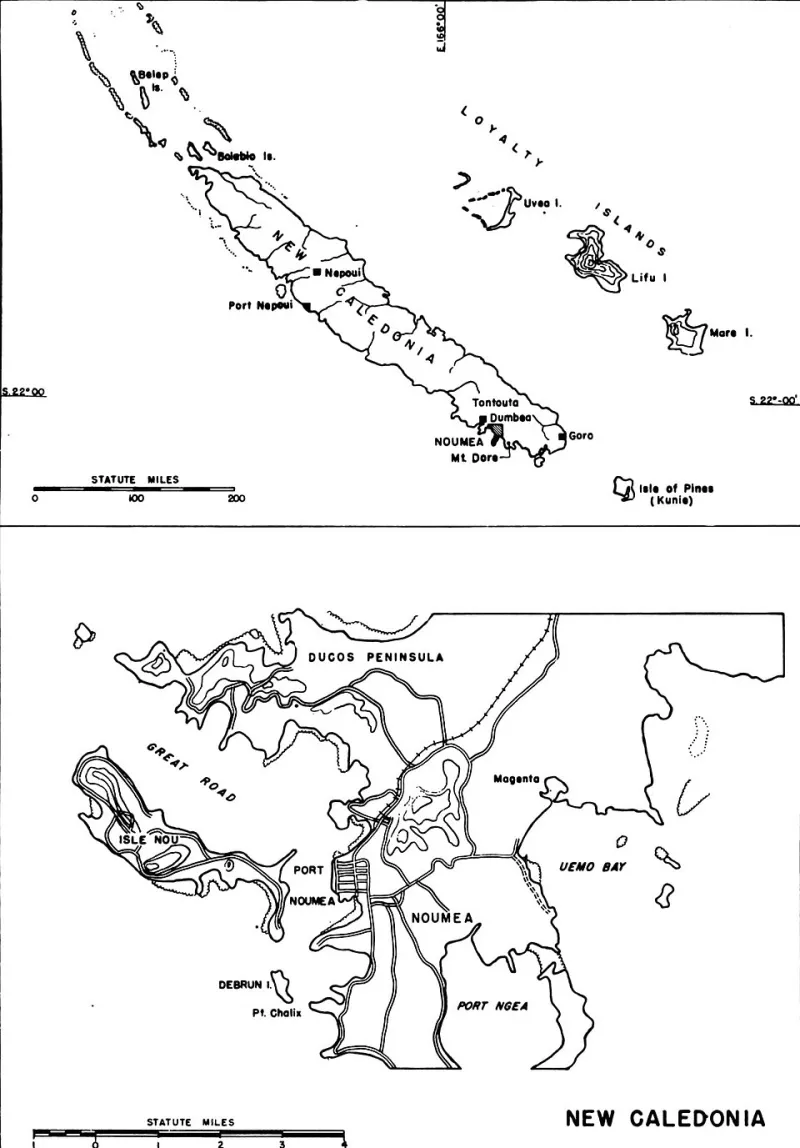
The hubs for community-based lagoon experiences are around Yaté and the bays of the Deep South, roughly an hour to ninety minutes from Nouméa by rental car on a genuinely scenic road. The Prony Bay area and the islets near the southern tip are frequent launching points, and several villages offer guided outings by advance arrangement.
Practical notes:
- Book ahead. These are small operations, not call centers. Your hotel or the tourism office in Nouméa can connect you.
- Bring cash. Many village operators don't take cards.
- Rent a car. Public transport out here is thin, and the drive itself — past the huge hydroelectric dam at Yaté and through red-earth landscapes — is half the experience.
- Pack out what you pack in. These communities live with the consequences of every plastic bottle.
Why This Beats the Big-Resort Version
Look, there's nothing wrong with a resort day. But a week into a Pacific trip, the resort lagoons start to blur together. A village-based day doesn't. You'll remember the elder who explained the carving on the chief's house. The kid who raced your pirogue. The taste of fish caught that morning.
And there's a real impact argument, too: community tourism keeps revenue in the villages, gives families a reason to keep traditional fishing and cooking practices alive, and — because the lagoon is the product — gives locals even more incentive to protect it. Your tourist dollars become conservation policy.
A Simple Two-Day Itinerary
Day 1: Leave Nouméa in the morning, stop at the Yaté dam lookout, arrive by early afternoon. Make your customary gesture, settle in, take a sunset swim at a local beach.
Day 2: Full-day lagoon outing with a village guide — snorkeling, islet picnic, bougna lunch, back on the road by late afternoon.
Do that, and you'll have experienced the southern lagoon the way it deserves: not as scenery, but as a living place with people who've earned the right to show you around.
Just remember the sequence. Hello first, swim second. Always.