Dinner Buried in the Sand: Why New Caledonia's Bougna Should Top Your Food Bucket List
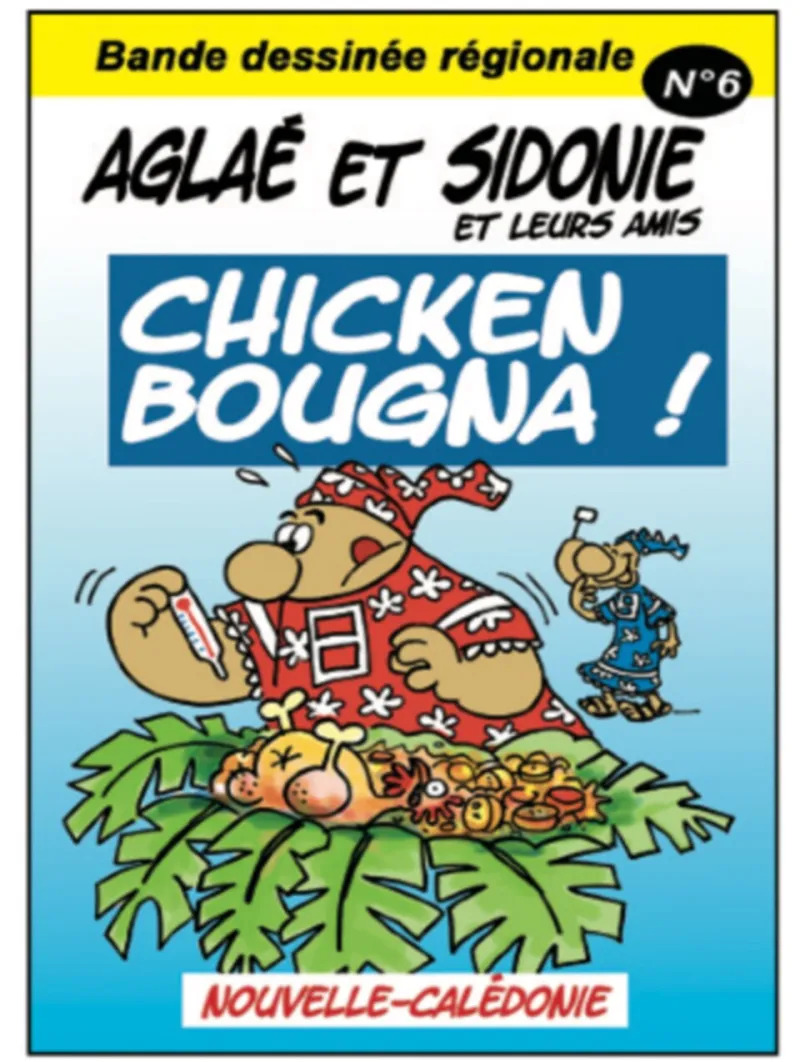
Photo: Gielbé, CC BY-SA 4.0, via Wikimedia Commons
Picture this: you've spent the morning snorkeling the lagoon off the Isle of Pines, the water so clear it feels like cheating. You come ashore hungry, and someone hands you a plate of tender goat, sweet taro, and yam that's been cooking underground since before you finished your coffee. No menu. No reservations. Just a meal that half the village helped build.
That's a bougna, and if you've never heard of it, you're not alone. Most American travelers land in New Caledonia with a mental image of white-sand beaches and French pastries—and fair enough, both deliver. But the bougna might be the single most memorable thing you eat in the South Pacific, and it's time it got its due.
What Exactly Is a Bougna?
At its simplest, a bougna is a Kanak feast cooked in a earth oven—what Hawaiians call an imu and Fijians call a lovo, but with its own personality. Layers of banana leaves line a pit dug into the ground. Into it goes a mix of protein and starch: often chicken, pork, or goat, alongside taro, yams, sweet potatoes, and sometimes coconut milk-soaked shellfish or fish.
Then comes the part that tests your patience. Hot stones go in, the whole package gets wrapped and sealed, and the pit is covered with earth. Cooking time? Anywhere from two to four hours, sometimes longer for a big village gathering. There's no peeking, no basting, no checking your phone timer twice. The oven decides when it's done.
The result is food that tastes like nowhere else—smoky, impossibly tender, with the taro and yams absorbing all the juices until they become the best part of the plate. Think of the best pot roast you've ever had, then imagine it cooked by the earth itself.
Why It Beats the Tourist Luau Circuit
I'll say it plainly: if you've done the big commercial luau experience in Hawaii, you know the drill. Fire dancers, a buffet line, a hundred strangers at long tables, and a pig that's more photo op than dinner. It's fun, but it's a show about a tradition more than the tradition itself.
A bougna flips that script. It's fundamentally communal. The preparation is a social event—families and neighbors gather to peel, wrap, and layer the food, and the meal that follows is unhurried and generous. Nobody's performing for you. If you're invited, you're a guest, not an audience.
That's not to say you can't experience bougna as a traveler. You absolutely can, and the south of New Caledonia is the place to do it.
Where to Find One in the South
Your best odds fall into a few buckets:
Village and tribal hospitality experiences. Around the Isle of Pines and the communities near the Southern Lagoon, several Kanak villages welcome visitors for traditional meals, often paired with a customary welcome ceremony. These are usually arranged through local tourism offices or your accommodation—ask your host, and they'll know who's hosting.
Tribal stays and guesthouses. Book a night or two in a gîte (a family-run guesthouse) and meals are often included. If bougna is on the fire during your stay, consider it the highlight of the trip. On the Isle of Pines especially, small guesthouses regularly fire up the oven for guests.
Resort and restaurant versions. Several hotels in the south offer their own take on bougna, sometimes as part of a themed dinner or cultural night. These are polished and accessible, though naturally a bit more staged than a village gathering. Still good eating—just know which experience you're booking.
How to Be a Good Guest
A few pointers for US visitors, since the etiquette matters here:
- Bring a small gift. In Kanak custom, you don't show up empty-handed. A modest gift—something from home works fine—is presented during the customary exchange. Your host or tour operator will guide you.
- Wait for the chief or elder to start. Meals often open with a few words. Follow the room's lead.
- Eat with your hands if that's how it's done. Some settings provide cutlery; others don't. Either way, dig in when invited.
- Ask before photographing. Especially during ceremonies, a quick question goes a long way.
- Don't rush off. The meal is the event. Lingering over coffee and conversation is the whole point.
A Reason to Book the Flight
We spend a lot of time on this site talking about lagoons—and honestly, the water here deserves every word. But here's my pitch: the lagoon gets you in the door, and the table makes you stay. A bougna is the kind of meal you'll be describing to friends back home years later, trying (and failing) to explain why yams cooked in a hole in the ground beat anything you've had at a restaurant with a waitlist.
So when you're planning that southern New Caledonia itinerary—the beaches, the snorkeling, the pine-lined coves—build in an afternoon for an earth oven. Ask your host where the next feast is happening. Show up hungry, bring a gift, and let dinner take its sweet underground time.
Your taste buds will thank you. So will your feed, but that's beside the point.