Paradise by Appointment Only: What New Caledonia's Slow-Travel Experiment Can Teach Americans Burned Out on Overtourism
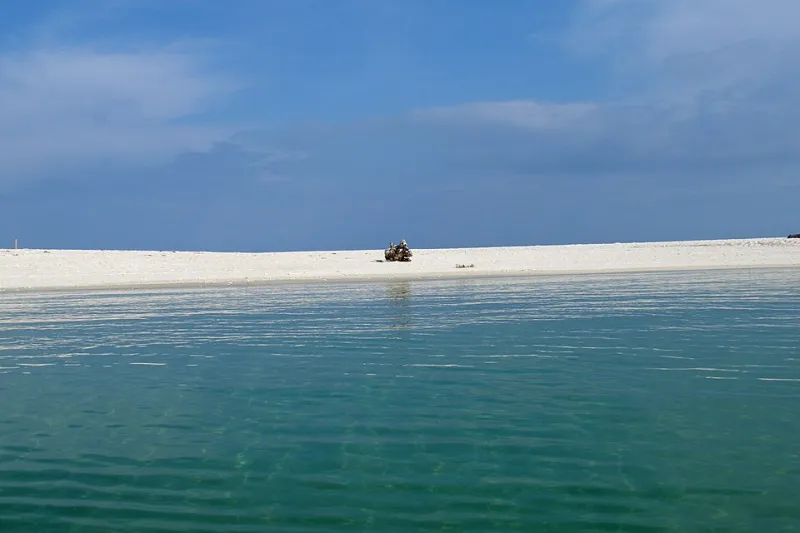
Photo: Vyacheslav Argenberg, CC BY 4.0, via Wikimedia Commons
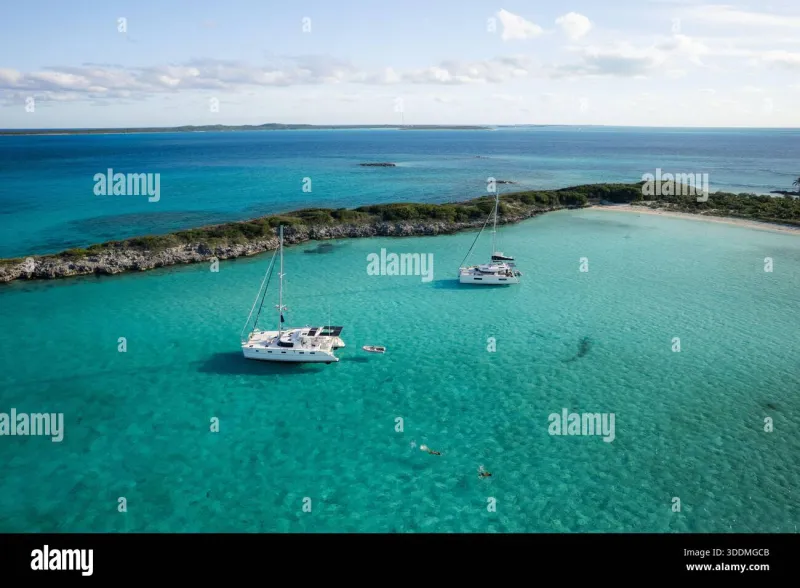
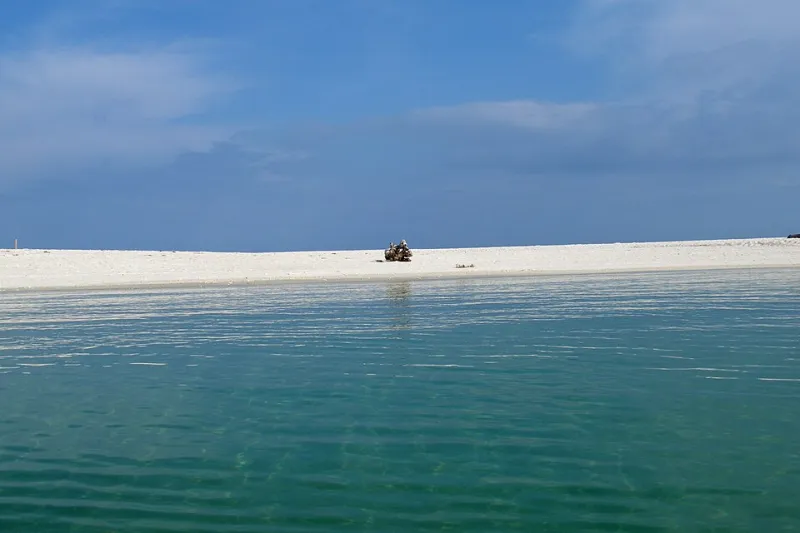
There's a moment that happens to almost every American traveler in New Caledonia's south. You pull up to a beach you've seen in photos — the kind of place that would have a parking lot, a boardwalk, and a two-hour wait back home — and find nothing but a wooden sign, a tide chart, and maybe a local fisherman who nods hello.
No crowds. No vendors. No lines.
It's not luck. It's policy.
The Destination That Said 'Enough'
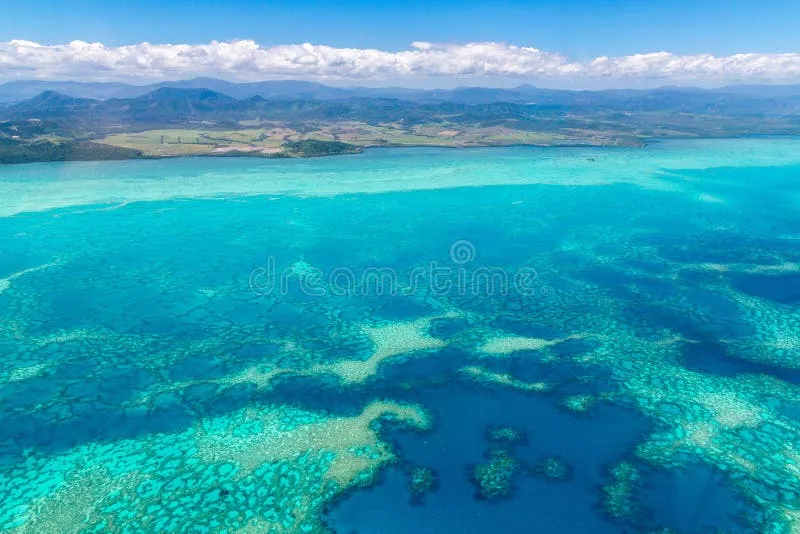
New Caledonia holds the world's largest lagoon — a UNESCO-protected expanse of blue so vast it could swallow the Great Barrier Reef's lagoon whole. You'd think the tourism office would be selling helicopter tours over it by the thousands.
Instead, the southern province did something almost unheard of in the industry: it put a ceiling on its own success. Popular sites operate on rotation schedules. Certain islets and swimming spots have daily visitor caps. Access to some areas requires checking in with local tribes, whose customary greetings aren't a tourist show — they're the actual gatekeeping system.
The philosophy behind it comes from Kanak culture, where the lagoon isn't scenery. It's a living relative. You don't extract from a relative. You greet it, you ask permission, you take only what you need.
Sound abstract? Compare it to what Americans have watched happen elsewhere. Maui's water shortages became national news. Venice started charging day-trippers an entry fee just to walk the streets. Amsterdam ran 'stay away' campaigns. Every one of those places is trying to claw back what it gave away for free.
New Caledonia never gave it away in the first place.
What 'Slow Tourism' Actually Looks Like on the Ground
The term gets thrown around in travel magazines, usually meaning 'eat at a slow-food restaurant.' Here it's structural, and it shows up in ways you'll notice within a day:
You can't do everything in one trip — by design. The rotation system means that on any given day, some sites are 'resting.' Your guesthouse host or tour operator will tell you what's open. This isn't bureaucracy for its own sake; it gives reefs and beaches recovery time and spreads visitor money across more communities.
Bookings replace spontaneity. Coming from the US, where the dream is rolling up wherever, whenever, this takes adjustment. Overnight trips to the Isle of Pines, catamaran charters, and even some beach access points require reserving ahead — sometimes weeks ahead in high season.
Guides aren't optional in many places. Local operators and village hosts lead visitors into protected zones. Yes, it costs more than going solo. It also means your money lands in local hands and you learn why the place matters, not just that it photographs well.
The pace is the product. A typical southern lagoon day isn't a checklist. It's one anchorage, one swim, one long lunch, one sunset. Travelers who fight this rhythm have a miserable time. Travelers who surrender to it tend to call it the best trip of their lives.
The Maui Lesson, Learned in Advance
Here's the uncomfortable math American travelers already know: Hawaii gets roughly ten times the visitors per resident that New Caledonia does. The South Pacific's quietest gem has stayed quiet partly because of distance and partly because of deliberate restraint.
The restraint is the interesting part. Capping visitors means capping revenue in the short term — a trade most destinations refuse to make. But the locals here have watched what happens when you don't. Overtourism doesn't just degrade reefs; it degrades the welcome. And the welcome is arguably this place's second-biggest asset after the water.
So when you visit, you're not just avoiding crowds. You're funding a model that says a destination can ration its own paradise and survive — maybe even thrive.
Planning Around the Caps: A Practical Playbook
If you're sold, here's how to work within the system instead of against it:
Travel in the shoulder months. May and September deliver the same lagoon with a fraction of the competition for limited slots. June through August is high season; December through February is cyclone season. Aim for the edges.
Book the big-ticket items first. Isle of Pines accommodation, crewed catamaran charters, and guided lagoon excursions fill furthest out. Lock those before flights if you can.
Build buffer days. If a rotation day closes the site you wanted, you'll want a spare day to pivot. Rigid itineraries and slow tourism don't mix.
Hire local, ask permission, learn the greeting. A simple 'Bojou' opens doors that money can't. Your hosts will steer you to what's open, what's worth it, and what to skip.
Expect to pay a bit more per experience. Fewer visitors means higher per-head costs. What you save on crowds, you spend on guides — and honestly, that's the trade working as intended.
The Takeaway
There's a temptation to keep places like this secret. But secrets have a way of leaking, and the better insurance policy is visiting in a way that sustains the thing you came for.
New Caledonia's south is running that experiment in real time. The lagoon has a waiting list, the beaches have opening hours, and the whole arrangement runs on a belief that's genuinely foreign to American tourism: that some things are worth less if everyone can have them all at once.
Come see whether they're right. Just book ahead.