Play the Slot Machine That Pays in Coral: A Yank's Guide to New Caledonia's Lagoon Permits
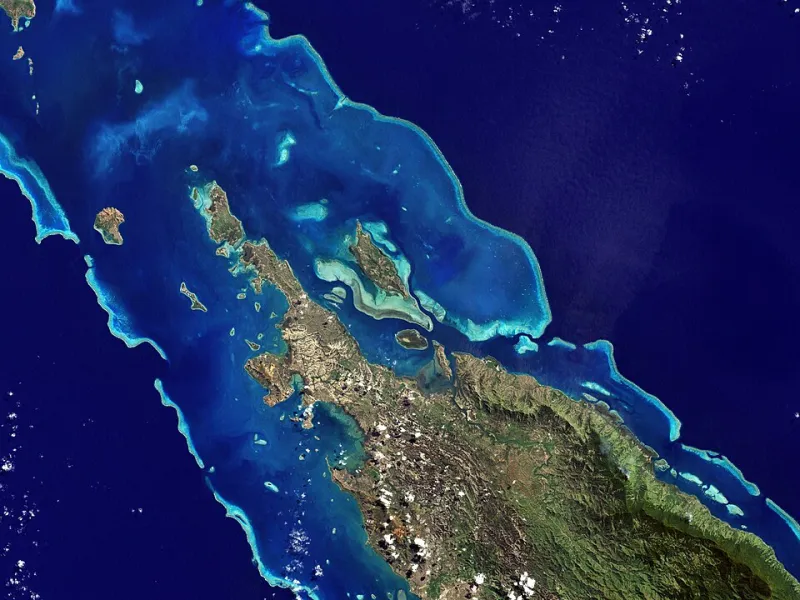
Photo: the Enhanced Thematic Mapper Plus on NASA’s Landsat 7 satellite, Jesse Allen, Michon Scott., Public domain, via Wikimedia Commons
You've done this before, even if you don't realize it. You've refreshed a recreation.gov page at midnight hoping for an Angels Landing permit. You've entered the lottery for a Yosemite campsite or set an alarm for Glacier's Going-to-the-Sun vehicle reservation drop. So here's the good news: if you can win a slot at a US national park, you can absolutely handle New Caledonia's lagoon access system. The rules are different, the stakes are lower, and the reward — a stretch of UNESCO-protected reef with nobody else on it — is arguably bigger.
Why the World's Biggest Lagoon Needs a Bouncer
New Caledonia's southern lagoon is enormous — roughly 24,000 square kilometers of it inscribed as a UNESCO World Heritage site — but the most fragile corners aren't. The marine reserves around the Isle of Pines, the southern islets, and select reef passages now operate under daily visitor caps, a system local authorities introduced after years of watching anchor damage, trampled coral flats, and crowded snorkel zones chip away at what makes this place extraordinary.
The logic will feel familiar to any American who's stood in Zion's permit line: limit the numbers, protect the resource, and everyone who does get in has a better time. The difference is scale. Where Glacier might process thousands of vehicle reservations a day, many of New Caledonia's protected zones cap out at a few hundred visitors — and some islets effectively run on a rotation schedule, opening different areas on different days to let the reef breathe.
The Permit Landscape, Decoded
Here's the practical breakdown for independent travelers:
Marine reserve day passes. The most heavily protected zones — certain snorkeling areas around the Isle of Pines and the southern reef complexes — require a day pass or advance registration. These are typically arranged through the provincial tourism office, your accommodation, or licensed local operators. Unlike the US system, there's no centralized app; think of it more like booking a tables at a small restaurant than winning a government lottery.
Islet access and village protocols. Some of the southern islets are customary Kanak land, and access runs through the tribal communities who steward them. This isn't a government permit so much as a relationship — you arrange your visit, pay a modest access fee, and follow the local rules. The upside: these spots never feel like a theme park, because they aren't one.
Operator-linked slots. Several of the best reef zones are accessed via licensed boat operators who hold their own daily allocations. Booking a day trip with one of these outfits effectively books your slot for you — the closest thing to a shortcut that's still playing fair.
Your Step-by-Step Playbook
-
Lock your dates first. Permits and rotations revolve around specific days, so nail down your itinerary window before applying for anything. Shoulder months like May and September offer the best combination of availability and weather.
-
Book the anchor experiences early. The day passes and operator trips with fixed caps should be reserved the moment your flights are confirmed — often weeks or months out for peak season.
-
Build the trip around your slots, not the other way around. This is the counterintuitive part for American planners. Instead of mapping every beach and restaurant and then squeezing in permits, let your confirmed access days anchor the schedule and fill the gaps with free stuff — and there's plenty of it.
-
Have a Plan B lagoon. If a permit falls through, the southern lagoon is not short on alternatives. Public beaches, free snorkeling spots, and less-restricted bays deliver 80% of the magic with 0% of the paperwork.
-
Confirm 48 hours out. Weather moves fast in the tropics, and operators reconfirm bookings by phone or WhatsApp. Build this into your last two days before any capped excursion.
What You Get for the Extra Admin
I'll be honest: this system asks more of you than showing up at a Hawaiian beach with a rental car. There are emails, occasional French-language booking forms, and the mild anxiety of not knowing until confirmation whether you got your day.
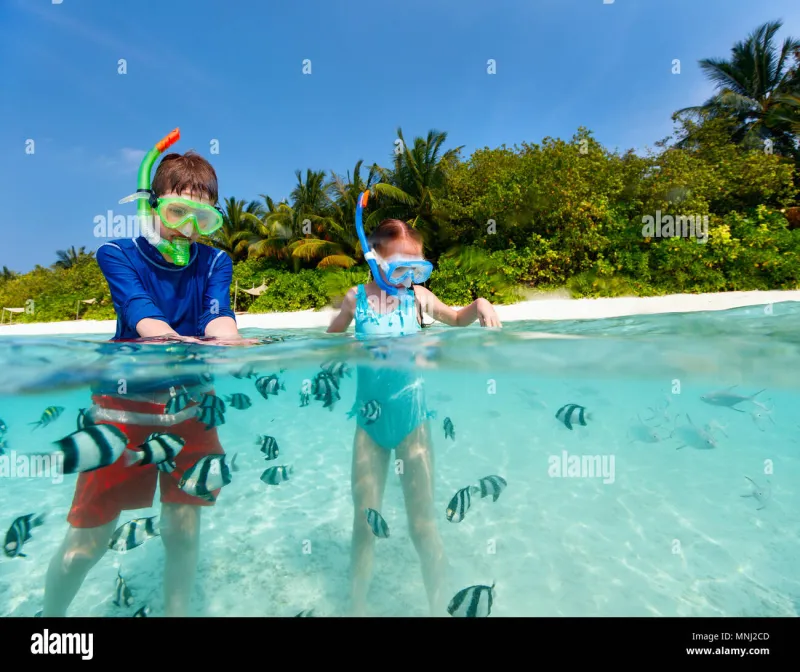
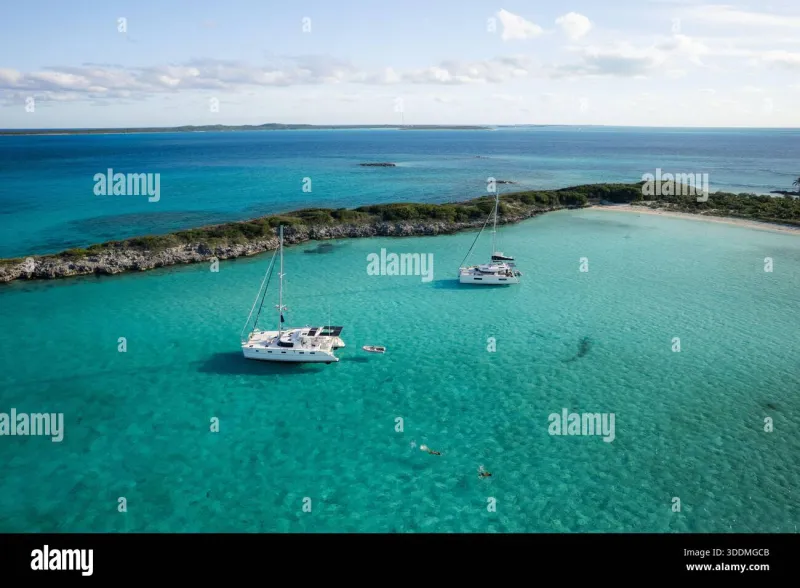
But here's what the effort buys. Reefs with actual fish density. Snorkel sites where you share the water with sea turtles instead of forty other snorkelers. Anchorages where the only sound is the lagoon itself. The quota system, whether anyone designed it this way or not, functions as a filter — it keeps the crowds away from the places that can't absorb them.
Compare that to the reality at overrun tropical destinations, where the postcard beach is a wall of umbrellas by 10 a.m. The extra paperwork is the price of admission to a version of the South Pacific that's getting harder to find anywhere on Earth.
The Mindset Shift
Americans are used to on-demand everything, and the lagoon's permit system will push back on that instinct. Lean into it. The waiting, the reconfirmation, the occasional schedule shuffle — it's all part of a place that decided, early and deliberately, that a reef is worth more intact than accessible.
You waited for that Angels Landing permit. You set the alarm for the Glacier lottery. Treat the southern lagoon the same way: a little friction, a lot of payoff, and a story at the end of it that nobody on a crowded cruise excursion can tell.