Little Fins, Big Lagoon: The Family Playbook for a First Snorkel Trip in New Caledonia's South
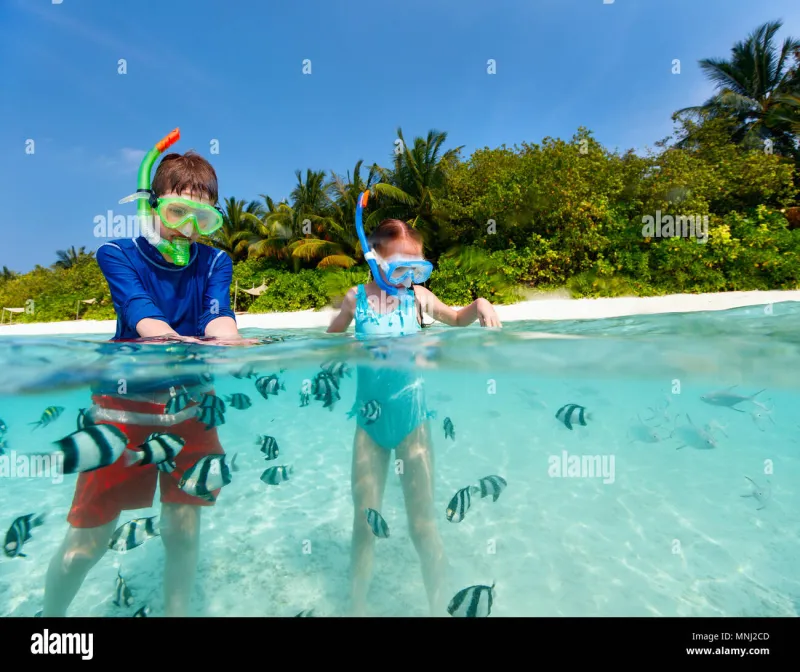
Photo: children snorkeling shallow turquoise lagoon tropical fish, via c8.alamy.com
Every parent has the same fantasy and the same fear. The fantasy: your kids spotting turtles in gin-clear water while you sip something cold on a beach that looks photoshopped. The fear: a 14-hour flight, a language barrier, and a child having a meltdown over sunscreen in their eyes on day one.
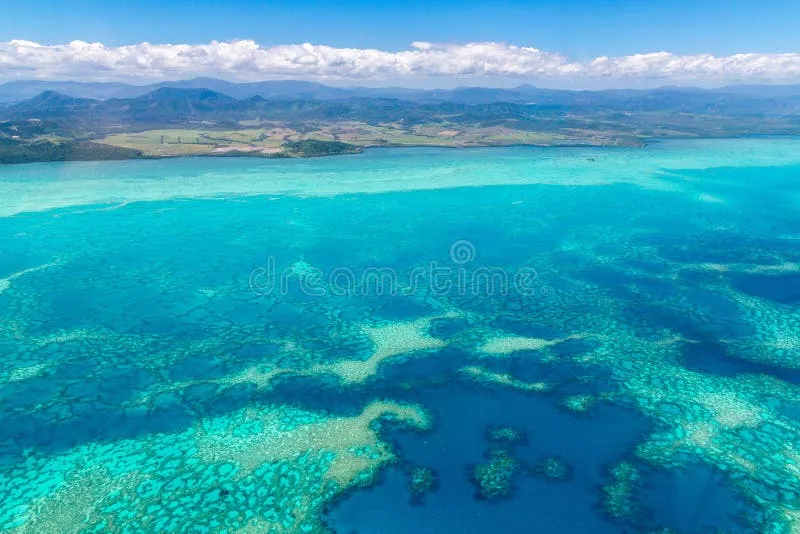
Here's the thing about New Caledonia's southern lagoon — the biggest of its kind on the planet — it quietly solves for both. This is one of the rare international destinations where the water itself does the babysitting, and where your eight-year-old will probably out-swim you in fish-spotting by the second morning.
Why the Lagoon Is Basically a Training Pool
The UNESCO-listed lagoon that wraps around Grande Terre's south isn't open ocean. It's sheltered by a massive barrier reef, which means the water inside is calm, warm (think low 80s Fahrenheit year-round), and shallow enough in places that a six-year-old can stand up whenever they want. That last detail matters more than any guidebook will tell you. Kids don't panic in water they can stand in.
Start them at Anse Vata or Baie des Citrons in Nouméa, where the sand slopes gently and the fish come right up to the shallows. By the time you graduate to the Isle of Pines' Piscine Naturelle or a duckfoot-shaped islet off the Deep South, your crew will already have their sea legs — or sea fins, rather.
The Logistics Are More Forgiving Than You'd Expect
American parents tend to over-plan around the unknown. A few reassurances:
- Getting around: Nouméa runs inexpensive public buses along the bays, and most family-friendly resorts and apartments sit within a short walk of swim spots. No car seat logistics required for the first few days.
- Language: French is official, but the tourism sector is used to English speakers, and a smile plus "bonjour" goes remarkably far. Kids pick up "merci" in a day and love deploying it.
- Groceries and gear: Supermarkets carry familiar snacks, and pharmacies stock kid-sized reef-safe sunscreen and floaties. You don't need to bring the whole house.
Pack light on gear, heavy on patience: a well-fitting mask per child (bring your own — rental masks are the number-one cause of snorkel meltdowns), rash guards instead of gallons of sunscreen, and water shoes for the coral rubble.
Which Spots Have Shade, Lifeguards, and Sanity
Not all beaches are created equal when you're hauling a toddler and a cooler. Prioritize these:
- Anse Vata, Nouméa: Lifeguarded sections, shade trees, food trucks, and calm morning water.
- Piscine Naturelle, Isle of Pines: Shallow, protected, and stunning — go early to beat tour boats and bring your own shade umbrella.
- Kanuméra Bay: Gentle entry, plenty of sand for castle-building between swims.
- Blue River Provincial Park: A freshwater swimming-hole day when little ones need a break from salt.
The lagoon's rotation system — where tour operators and villages alternate access to protect the reef — means some spots are best booked ahead rather than improvised. With kids, a booked morning beats a better beach at the wrong hour.
Sequencing the Week So Confidence Builds
The trick to a relaxing family week is a simple ladder: stand, float, swim, explore.
Days 1–2: Jet lag is real, so keep it to beachfront paddling and pool time. Let kids wear masks in the shallows just for fun.
Days 3–4: A short glass-bottom boat or catamaran outing. Seeing the reef from above builds the appetite to get in it.
Days 5–6: The big day — a full lagoon snorkel trip to an islet, with lunch on the sand. This is where the magic happens: parrotfish, sea turtles, and a kid who suddenly won't get out of the water.
Day 7: One last morning swim, then the long flight home with a child who talks about Napoleon wrasse the way their classmates talk about video games.
The Honest Fine Print
Reef-safe sunscreen is non-negotiable, and so is adult supervision — calm water is still water, and coral cuts happen. Bring rehydration sachets, accept that one day will involve a meltdown, and book restaurants ahead in high season.
But here's the payoff: no visas for US passport holders under typical tourist stays, no malaria, no dramatic time zone whiplash, and a lagoon so forgiving that first-time snorkelers become confident ones before the week is out. Your kids will out-snorkel you. Let them. That's the whole point of the trip.