What's Actually in Your Beach Bag? A Reef-Safe Packing Reality Check for New Caledonia's South
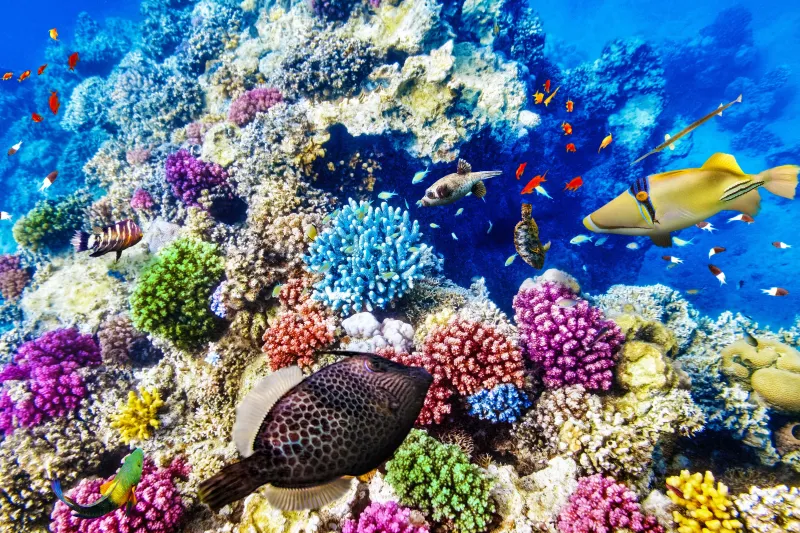
Photo: reef safe mineral sunscreen bottle on tropical beach with snorkel gear, via cdn.holidayguru.ch
You've booked the flight. You've daydreamed about the lagoon — that unreal shade of blue that makes the Caribbean look like a kiddie pool. And somewhere between booking snorkel tours and buying a new rash guard, you've probably wondered: does my sunscreen actually matter here?
Short answer: yes. Long answer: it matters more in New Caledonia's south than almost anywhere else you'll ever swim.
Why This Lagoon Plays by Different Rules
The lagoon wrapping New Caledonia isn't just pretty — it's the largest of its kind on the planet and a UNESCO World Heritage site. That designation comes with teeth. Local authorities, dive operators, and even provincial parks take reef protection seriously, and the standards around what visitors bring into the water reflect that.
Here in the US, we've gotten used to a patchwork of rules. Hawaii banned oxybenzone and octinoxate back in 2021. Key West tried something similar. But plenty of the sunscreen sitting in American bathroom cabinets — the spray bottles, the drugstore staples — still contains chemicals that studies have linked to coral bleaching, even in small concentrations.
In New Caledonia, the expectation isn't just legal compliance. It's cultural. The reef is a living resource that Kanak communities and conservationists have fought to protect, and visitors who show up with reef-damaging products signal they haven't done their homework.
The Ingredients to Leave at Home
Flip your sunscreen bottle over and scan the active ingredients. If you see any of these, it's time for a new bottle before your trip:
- Oxybenzone (benzophenone-3) — the most notorious offender, linked to coral bleaching at surprisingly low concentrations
- Octinoxate (ethylhexyl methoxycinnamate) — banned in Hawaii and increasingly frowned upon across the Pacific
- Octocrylene — a common stabilizer that raises its own environmental concerns
- Parabens and microplastics — show up in some formulas and don't belong in any lagoon
Spray sunscreens deserve a special callout. Beyond the chemical question, half of what you spray ends up on the sand and in the air instead of on your skin. Skip them entirely.
What to Pack Instead
The gold standard is non-nano zinc oxide — a mineral sunscreen that sits on your skin rather than absorbing into it, and doesn't dissolve into the water the way chemical filters do. Look for "non-nano" or "reef-safe" specifically; the term "reef-safe" isn't tightly regulated in the US, so read the label rather than trusting the marketing.
A few practical picks that hold up in tropical water: Thinkbaby, Badger, and Blue Lizard all make zinc-based formulas that American travelers can grab at any drugstore or order before departure. Bring a stick version for your face — it survives snorkeling better and you'll use less of it.
But here's the real pro move: reduce how much sunscreen you need in the first place.
A long-sleeve rash guard costs twenty bucks, eliminates sunscreen from most of your body, and honestly outperforms any lotion after your third hour in the water. Add a wide-brim hat and you've cut your chemical footprint roughly in half. Locals do exactly this, and not just for the reef.
Buying on Arrival: Yes, You Have Options
Forgot something? Don't panic. Nouméa's pharmacies and supermarkets — think Carrefour or the pharmacies around Anse Vata — stock European formulas, many of which are mineral-based and EU-compliant, which typically means stricter ingredient standards than FDA requirements. French pharmacy shelves are a genuinely good place to find quality options.
Prices run higher than what you'd pay at a Walmart back home, though. A tube that costs $10 in the States might run you the equivalent of $18–20 in Nouméa. Pack it; don't plan on buying it.
Beyond Sunscreen: The Rest of the Packing List
Reef-safe travel doesn't stop at sunscreen. A few other choices that matter:
- Skip the glitter and microbead products. Body scrubs and shimmers with plastic particles go straight into the lagoon.
- Reef-safe insect repellent for the Isle of Pines and riverside camps — standard DEET washes off into the water when you swim.
- A reusable water bottle. Plastic waste is a real issue on small islands, and refill stations are common at guesthouses.
- Biodegradable soap if you're camping or staying in a gîte near the water.
None of this requires heroics. It's a checklist, not a lifestyle overhaul.
The Payoff
Here's what makes this worth the effort: the reason New Caledonia's south looks the way it does — coral gardens in shallow water you can wade into from the beach, turtles cruising past snorkelers, fish in densities that rival anything in the Caribbean — is precisely because someone drew a line. The lagoon is protected because people decided protection mattered.
When you pack a mineral sunscreen and a rash guard, you're not performing virtue. You're just doing your small part so that the next traveler — and the generation after them — gets to see the same water you will.
And honestly? The reef will thank you in the most direct way possible: by being there when you put your face in it.