Follow the Locals: Your Saturday Run Down the RT1 to Yaté
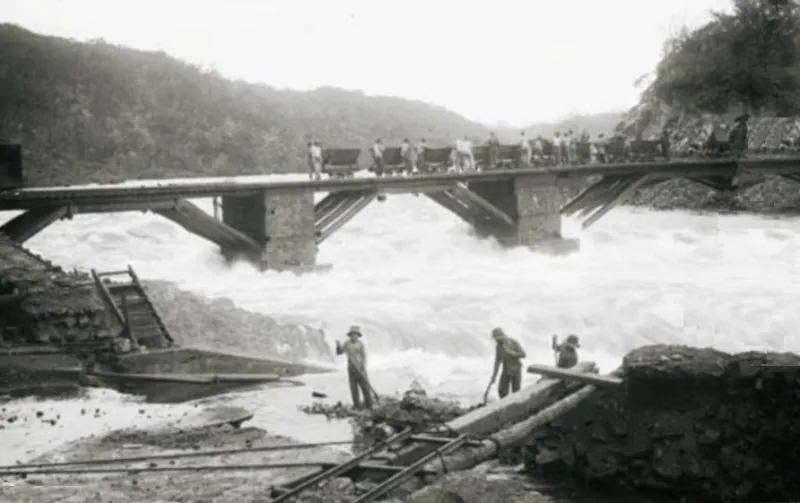
Photo: Unknown photographer - possibly on behalf of La Société Le Nickel de Nouvelle-Calédonie, Public domain, via Wikimedia Commons
Ask anyone standing on the Nouméa cruise terminal on a Saturday morning what they're doing, and most will tell you they're browsing the market or heading to Anse Vata. Ask a local, and you'll get a different answer entirely: "On va vers le Sud." They're going south — down the RT1, past the last roundabout, into Yaté.
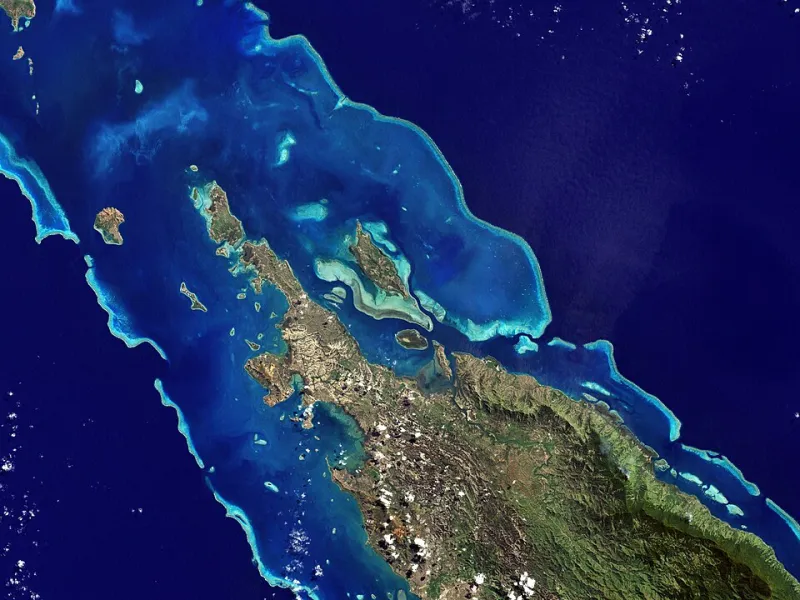
For American travelers, this is the day trip that never makes the shore excursion list. It should. It's about an hour of driving that delivers waterfalls, spring-fed swimming holes, hydroelectric lakes that look Photoshopped, and coastline so dramatic it earned the nickname "la Côte Couronnée" — the Crowned Coast — for the mushroom-shaped rock formations ringing the shoreline.
Why Locals Guard This Drive
Yaté is the biggest commune in New Caledonia and, arguably, the wildest. Nouméa families pack coolers, kids, and outrigger canoes into the car every weekend and make the run south like it's a ritual. Some come for the swimming. Some come for the fishing. Many just come for the drive — because once you pass the Mont Koghis tunnel, the scenery stops looking like anywhere else in the Pacific.
The road itself is part of the attraction. Red earth, niaouli trees, and the occasional patch of rainforest slide past your window. You'll know you're getting close to the good stuff when the landscape turns almost lunar — a direct result of the region's nickel mining history, which stripped the hillsides to a rust-orange that contrasts bizarrely and beautifully with the blue lagoon beyond.
Stop One: Blue River Provincial Park
About 40 minutes out of Nouméa, you'll hit the turnoff for Parc Provincial de la Rivière Bleue, and honestly, you could burn your whole day here. The park sits on the edge of the Yaté hydroelectric reservoir — one of the largest artificial lakes in the Pacific — and it's home to walking trails, swimming spots, and the endangered kagu, a flightless bird found nowhere else on Earth.
Families love it because the water is calm, the picnic tables are plentiful, and the swimming holes are shaded. You can rent a kayak, take a short boat transfer across part of the reservoir, or just sprawl out under a kaori tree and pretend Monday doesn't exist.
Local tip: Bring cash. The park entrance and the little canteen near the boat launch don't always take cards, and the day you forget cash is the day you'll want a cold drink the most.
Stop Two: The Natural Pools and Roadside Stands
Keep heading south and you'll start spotting the informal stuff — the reason locals actually come. Spring-fed natural pools pop up along the roadside, some little more than a clear creek widening under a rock ledge, others deep enough for a proper swim. They're free, they're cold, and they're where every local kid in the territory learned to swim.
Along the same stretch, roadside stands sell whatever's in season: mangoes, lychees, bananas, coconuts. The honor-system vibe is real — leave your francs in the tin, grab your fruit, go. It's the South Pacific version of a farm stand in Vermont, minus the maple syrup and plus a lot more mango.
Stop Three: The Crowned Coast Lookouts
The final stretch of the RT1 hugs the coastline, and this is where you pull over — repeatedly. The rock formations along the shore look like they've been dipped in a crown of coral, and on a clear day the lagoon color gradient runs from jade to sapphire to navy, all within a single glance.
There's no official "lookout plaza" with a gift shop. That's the point. You find a wide spot in the road, park respectfully, and walk a few meters to the rocks. Bring water shoes; the reef rock is sharp and the coral doesn't care about your flip-flops.
Etiquette: How to Crash a Local Ritual Politely
This isn't a gated attraction, and that's exactly why a little courtesy goes a long way:
- Greet people. A simple "Bonjour" when you arrive at a swimming spot isn't optional — it's basic Kanak and French politeness, and skipping it marks you as a tourist immediately.
- Pack out what you pack in. Locals are fiercely protective of these spots, and litter is the fastest way to wear out your welcome.
- Ask before photographing people, especially families at the pools. Most will say yes, but the ask matters.
- Respect private and tribal land. Some access roads pass through customary territory. If there's a sign or a barrier, don't assume it's decorative.
- Watch the water. These pools and coastal rocks have currents and slippery surfaces. There are no lifeguards, no flags, and no liability lawyers for a thousand miles.
The Practical Stuff
Getting there: Rent a car. There's no useful public transit south of Nouméa, and rideshares are nonexistent out here. The RT1 is well-paved the whole way to the end.
Timing: Leave Nouméa by 8 a.m. Locals do, and so should you — the pools and lookouts are best before the midday heat, and you'll want the afternoon for the slow drive back with stops.
What to pack: Water shoes, reef-safe sunscreen, cash, a cooler, and a dry bag. Cell coverage gets spotty south of the park, so download offline maps before you go.
Food: The roadside stands cover snacks, but for a proper lunch, bring picnic supplies from Nouméa — or plan your day around a late return and eat at one of the waterside spots on the way back north.
Why It's Worth Doing the Local Thing
Cruise passengers see Nouméa's downtown in four hours and leave thinking they've seen New Caledonia. They haven't. They've seen the gift shop. The real territory — the red earth, the cold springs, the crowned rocks, the families who've been coming to the same pool for three generations — starts where the roundabouts end.
Follow the locals south. They've been keeping the best day trip in the South Pacific to themselves for a reason.