Market First, Lagoon Second: The Nouméa Picnic That Beats Every Resort Lunch
Photo: Port Moselle market Noumea fresh tropical fruit and vegetables on display, via unctad.org
There's a moment around 7:15 a.m. at Nouméa's Port Moselle market when the whole thing clicks: a vendor is slicing a mango for you to try, someone behind you is arguing cheerfully about the price of tomatoes, and the harbor light is doing that thing where it turns every plastic crate into a still life. Meanwhile, forty feet away, a resort is charging $32 for a club sandwich.
I know which one I'd pick. Here's how to build the day.
Get there early, but not crazy early
The market runs Tuesday through Saturday mornings and mostly wraps by 11 — Saturdays are the biggest and busiest. Six-thirty to eight is the sweet spot: everything's stocked, the fish counters are still full, and you can actually move. By 9:30 it's shoulder-to-shoulder and the good bread is gone.
Bring a reusable tote and cash in small notes. New Caledonia has largely ditched single-use plastic bags, and vendors genuinely appreciate a shopper who comes prepared.
What to buy, and what to skip
Think of it as a French farmers market that fell into the South Pacific and went native.
Buy: mangoes and papayas in season, limes by the handful, small sweet bananas, avocados the size of softballs, fresh coconut, and whatever the fish counter is cutting that morning. Ask for thazard (a local mackerel-type fish) or thona — both are cheap, meaty, and superb cold with lime. The rotisserie chickens and the little fried samoussas are a smart shortcut if you don't want to assemble anything.
Skip: the pre-made salads in plastic clamshells. They're fine, but you're standing in a market. Buy the components.
Also grab: a chunk of local vanilla, a jar of honey, and a bag of letchi (lychee) if you're here between November and January. They're the single best souvenir that costs almost nothing.
The bakery detour
Leave the market, walk five minutes, and find a real boulangerie. Nouméa is full of them — the Rue de l'Alma area and Faubourg Blanchot both have good ones. A baguette tradition will run you about 150 XPF. Buy two: one for lunch, one because you will eat it in the car. Add a pain au chocolat and a slice of coconut cake for dessert.
You cannot buy happiness, but you can buy a baguette at 7 a.m. in Nouméa, which is close enough.
Where to take it
This is the part that matters, because a great picnic in the wrong spot is just eating outside.
Baie des Citrons and Anse Vata are the easy wins — walkable from the market area by bus or a short taxi, with shade, benches, and easy swimming. Good for a first-timer's picnic.
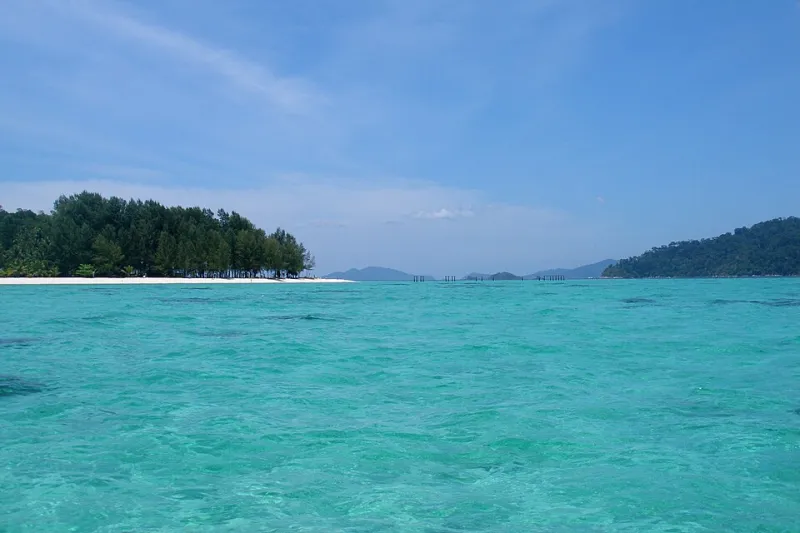
Plage de la Coulée, 25 minutes south of the city, is the local favorite. Shallow water, picnic tables, pines for shade, and enough space to spread out. If you're going to do this properly once, do it here.
Plum beach and Pirogue Bay are further south again and quieter still — worth it if you've got a car or a friendly taxi driver on speed dial.
Plage de Magenta, close to the harbor, is the lowest-effort option if you've got a ferry to catch or a flight to make.
Pack it like a pro
A soft cooler bag, a small cutting board, a sharp knife, salt in a twist-top container, and a lime. That's it. Ice you can buy at the market; ask for a bag of glaçons.
Wrap the fish in paper and eat it cold with lime and salt, torn up over baguette. If you bought a rotisserie chicken, pull it apart with your hands and don't apologize for it.
The local rules (worth respecting)
Public drinking on beaches is restricted in Nouméa and many areas, so keep the picnic non-alcoholic — fresh coconut water, lime juice, or a thermos of coffee. Nobody will mind a well-made lunch; they will mind a bottle of wine at a family beach.
Pack out everything, including crumbs. The lagoon is protected, and the people who live here treat it that way. If you're picnicking near a coral reef, keep the cooler well back from the water and skip the bug spray with certain chemicals near the shoreline.
Do the math once
A market haul for two — mangoes, tomatoes, a whole fish, bread, cheese, a coconut, and a pastry — lands around 3,000–4,000 XPF, roughly $30. That's one cocktail and an appetizer at most beach resorts in the area.
But the real reason to do this isn't the math. It's that you'll eat better, sit somewhere with a reef instead of a menu, and understand the island in a way that room service has never once managed. Set the alarm for 6:45. You won't regret it.