Low Tide Is the Main Event: Shell Hunting on New Caledonia's Southern Flats
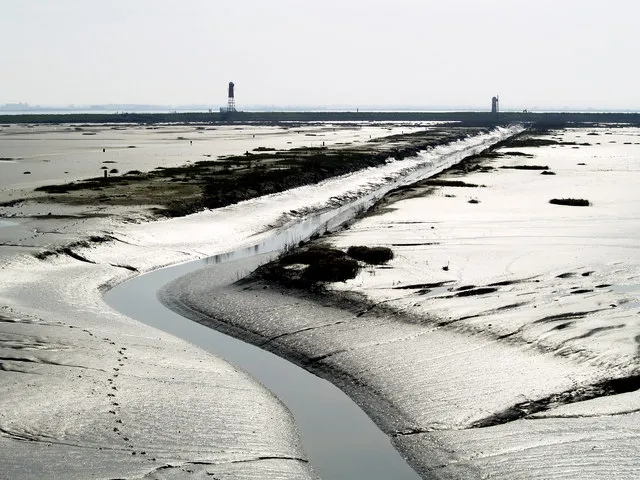
Photo: Andy Beecroft, CC BY-SA 2.0, via Wikimedia Commons
The Ocean Steps Aside for a Few Hours
Somewhere back home, a beach day is measured in towel space and parking. Here in New Caledonia's south, the best hours of the day happen when the water leaves. Twice a day, the tide drops out of the southern lagoon and exposes vast, glistening flats — sandbars, coral rubble, and pools of trapped seawater — stretching farther than you can comfortably walk. And the kicker? You'll probably have it to yourself.
I've watched grown adults — engineers, lawyers, a couple from Denver who'd planned their whole trip around diving — abandon the itinerary the moment they spotted a spiral shell the size of a fist. Low tide turns everyone into an eight-year-old with a bucket. Lean into it.
Reading a Tide Chart Without a Physics Degree
The tide tables here are published in French, but they're dead simple: each day lists the time and height of the high and low tides. You want the basse mer — low tide. The magic window is roughly the two hours on either side of it.
A few practical notes for American travelers:
- The tide shifts about 50 minutes later each day. A 7 a.m. low on Monday becomes an 8:30 a.m. low by Wednesday.
- Spring tides are your jackpot. These are the extra-low tides near the full and new moons, when the water retreats dramatically. Check a lunar calendar when booking your trip — timing your stay around a big spring tide is like scheduling a ski trip for a powder day.
- Watch the reef. The flats drain through gaps in the barrier reef, and current in those channels is real. If water is moving where you're walking, walk somewhere else.
Where the Flats Deliver
The southern lagoon's tidal flats are everywhere, but a few spots consistently produce:
Paiiiita Bay, just outside Nouméa, is the easy-entry option. At low tide the bay empties into a huge sandy expanse dotted with tide pools — cowries, cone shells, and the occasional stranded starfish. It's a 20-minute drive from town and perfect for a morning before your flight.
The bays around Yaté and the Deep South offer wilder picking. Less foot traffic means more intact shells, plus driftwood, sea glass, and the sense that you've walked onto a planet with no people on it.
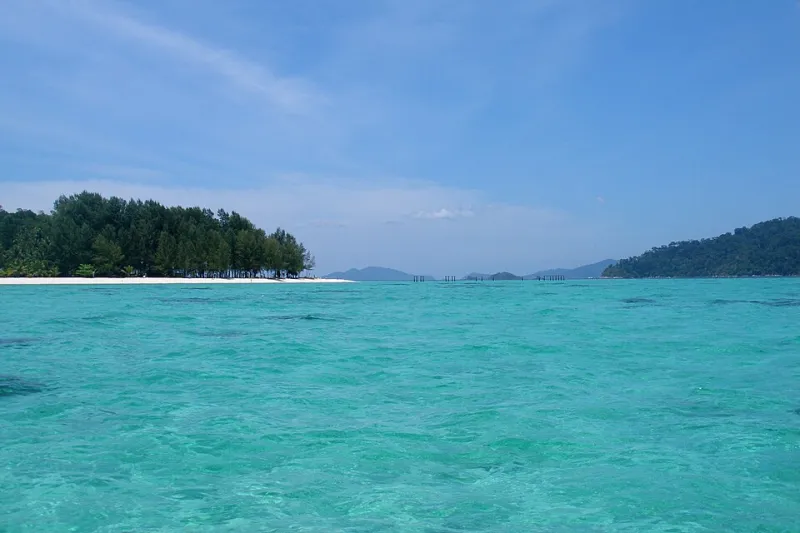
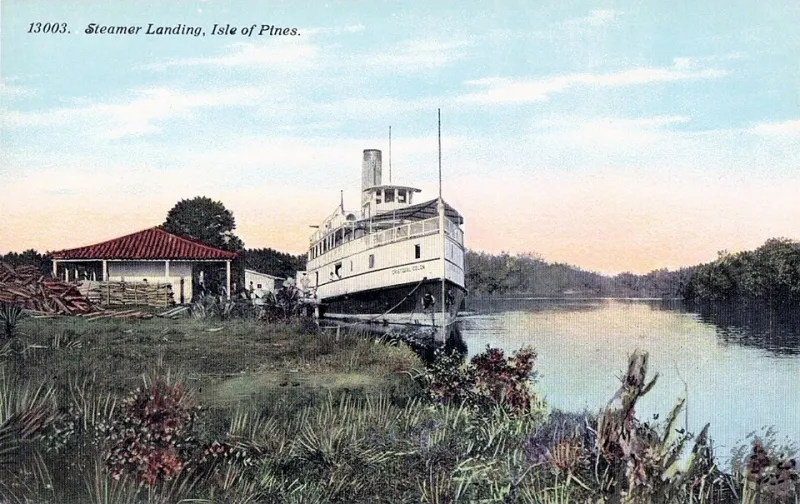
The Isle of Pines' eastern shore combines shell hunting with that postcard scenery you came for — pale sand, pine silhouettes, water the color of a swimming pool. Time it with the tide and you'll fill a pocket in an hour.
The Etiquette: Take Photos, Take One Shell, Take Your Trash
Beachcombing in the South Pacific comes with rules, some written and some simply right:
- Living shells stay. If a hermit crab is home, admire the architecture and put it back. Same for anything still in the water, moving, or attached.
- Check before exporting. Some shells, including certain cone shells and protected species, can't leave the country. A quick photo of your haul at the Nouméa tourism office can save you a very awkward conversation at customs.
- Watch your hands. Cone snails — the pretty patterned ones — can pack a venomous sting. Look, don't pocket anything alive.
- Respect village land. Much of the shoreline is customary Kanak land. A greeting, a small fee where asked, and following local guidance aren't optional extras — they're how you get invited back.
Why This Beats Another Boat Tour
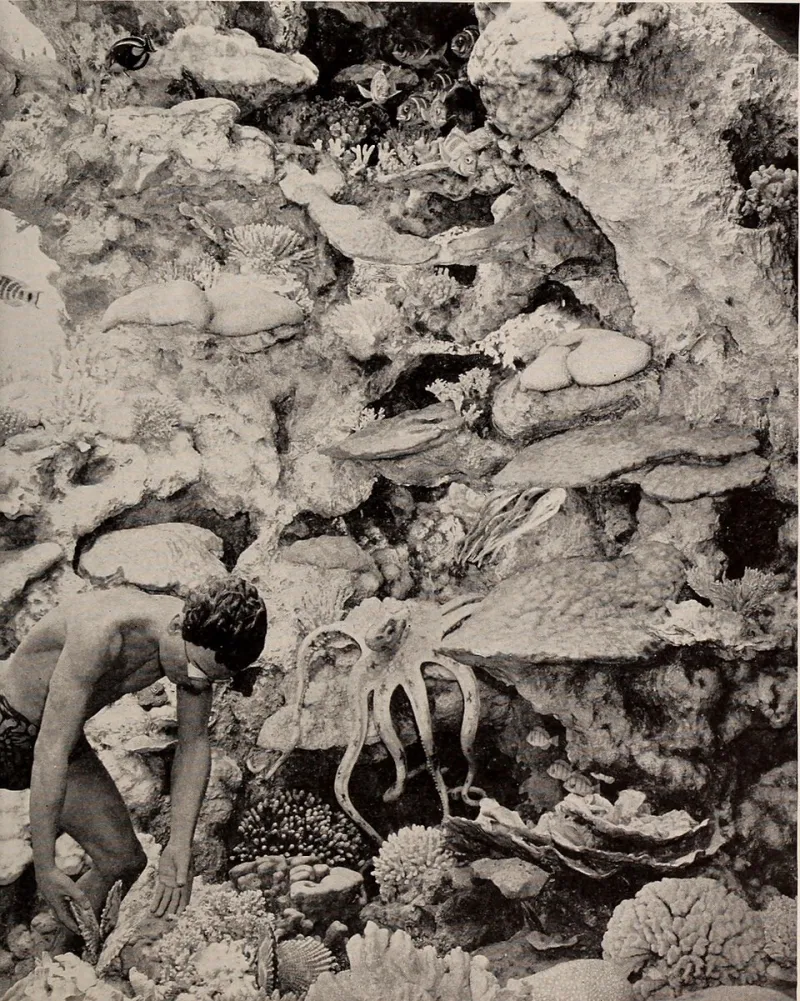
Here's the thing nobody tells you before your first tide-flat morning: it's slow, it's free, and it's weirdly profound. You crouch. You peer into a pool the size of a dinner plate and find an entire neighborhood — a hermit crab commuting, a nudibranch doing its thing, a fish the color of neon trapped by the receding water. Then you walk on to the next pool. Repeat for three hours.
For Americans used to maximizing every vacation minute, this is the counter-programming. No reservation, no guide, no gear beyond sunscreen and shoes you don't mind getting salty. Just you, a receding ocean, and a beach that doubles in size while you're standing on it.
Pack a mesh bag, check the tide table the night before, and set an alarm. The ocean keeps regular hours here — and for a few hours a day, it leaves the door wide open.