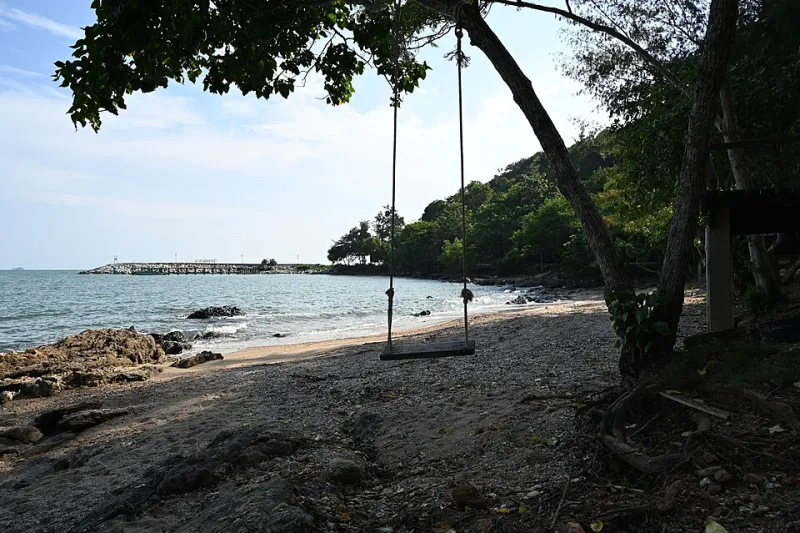
Chasing the Blue: When and Where to Shoot New Caledonia's Lagoon at Its Best
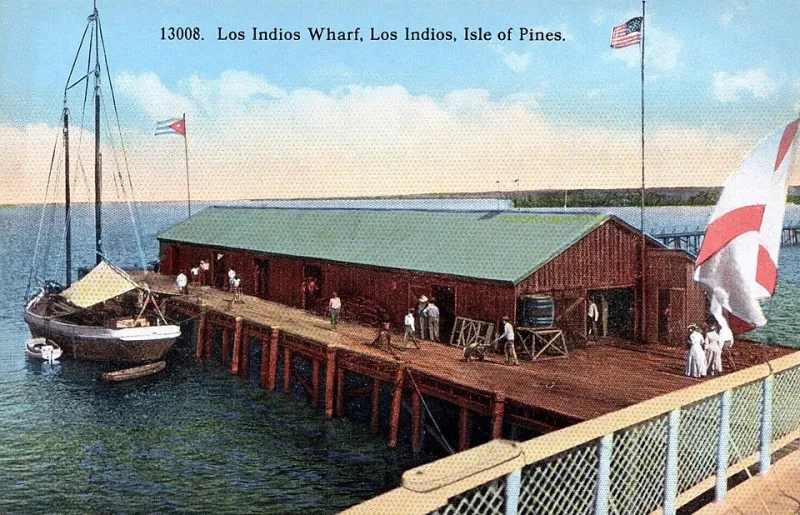
Photo: Harris Brothers, Havana (publisher), Public domain, via Wikimedia Commons
There's a moment on the Isle of Pines, right before the sun cracks the horizon, when the lagoon turns the color of diluted ink — deep navy fading to mint at the reef's edge. If you've only seen New Caledonia in midday photos, you haven't really seen it. The water here photographs like nowhere else in the South Pacific, and with a bit of planning, your shots can look like the postcards rather than pale imitations of them.
Why the Lagoon's Blue Is Different
New Caledonia wraps the world's largest enclosed lagoon, and the reef does something wonderful for photographers: it acts as a giant natural color barrier. Shallow water inside the reef scatters light differently than the deep Pacific beyond it, creating hard edges between turquoise, sapphire, and indigo that you can actually capture from shore or a drone. On a clear morning, those color bands are so distinct they look Photoshopped. They're not — they're physics.
The trick is light. Midday sun flattens everything and blows out the shallows. Early and late light rakes across the water at an angle, letting the color gradients read clearly in your frame.
Sunrise Spots Worth Setting an Alarm For
Oro Bay, Isle of Pines. The classic. The natural swimming pool behind the rocks glows before the tour boats arrive, and the tall columnar pines make striking silhouettes against first light. Arrive 45 minutes before sunrise to catch blue hour over the bay.
Piscine Naturelle at the Ozier headland. Walk in from the Le Méridien side and set up on the point. The reef break here creates a natural leading line straight into the sunrise.
Poe Beach, near Bourail (Grande Terre). On the main island's west coast, this is your backup for days when the Isle of Pines is clouded in. Long sandy curve, calm water, and consistently glassy conditions at dawn.
Golden Hour from the Water
Some of the best angles simply require a boat. Several operators out of Nouméa run lagoon cruises that can be timed for late-afternoon light — ask specifically about sunset returns rather than midday snorkel runs. On the Isle of Pines, pirogue (outrigger canoe) trips in Upi Bay at golden hour put you down at water level with the pines behind you, which is about as good as composition gets.
A Quick Word on Drones
New Caledonia allows recreational drone flying, but there are rules: keep it under 120 meters, stay clear of the airport zones around Nouméa's Magenta and La Tontouta, and never fly over swimmers or wildlife. The Isle of Pines has some restricted pockets, so check the current French civil aviation map before you launch. Practical tip: the reef edges far offshore are generally fine, and that's where the money shots are anyway.
Gear That Actually Matters
You don't need much, but three things earn their weight:
- A polarizing filter. Cuts surface glare and darkens the water so the blues saturate naturally. This is the single biggest upgrade for lagoon photography.
- A splash-proof bag or dry sack. Boat spray and pirogue crossings are real. So is reef sand, which finds its way into everything.
- A wide lens plus one longer option. Vast reef panoramas want 16–24mm; compressed shots of pines against turquoise want 70mm or more.
Phone photographers: shoot in RAW if your phone allows it, and expose for the water, not the sky. The blues hold detail better than you'd think.
Seasonal Lighting Notes
May through November is the dry season, with lower humidity, crisper air, and the most reliable color. December through March is greener and more dramatic — cloud formations at sunset can be spectacular, but you'll trade some clarity and accept some rain risk. Water visibility for underwater shots peaks in the dry months, often exceeding 30 meters inside the lagoon.
One last note: some of the best reef photography here happens on guided snorkel tours that include a photo-minded guide. If you'd rather be in the water than above it, that's a perfectly respectable way to chase the blue.